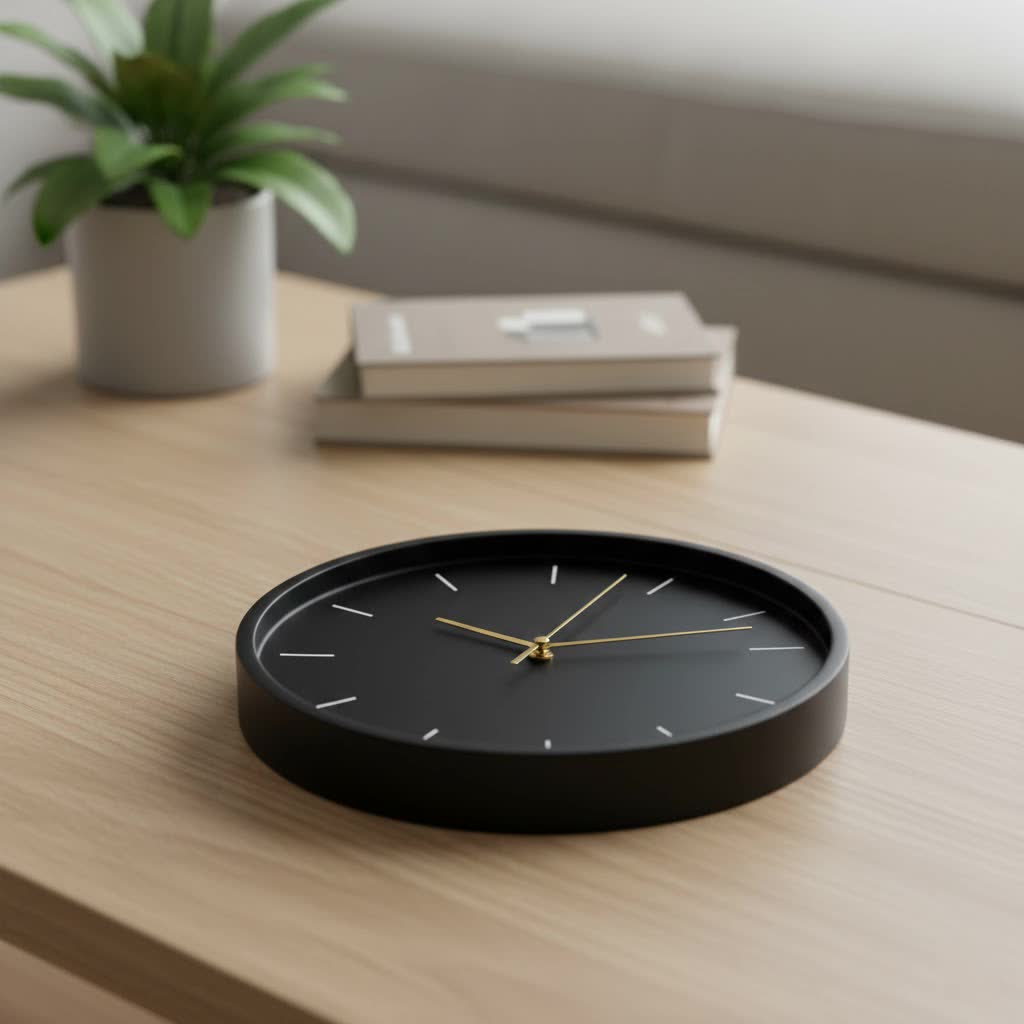
In an era dominated by digital displays, the Analog Wall Clock stands as a testament to timeless design and understated elegance. Far more than just a time-telling device, an analog wall clock serves as a captivating focal point, enhancing the aesthetic of any room with its classic charm and graceful movement. For those who appreciate tradition, craftsmanship, and a touch of warmth in their living spaces, the analog wall clock offers an unrivaled appeal.
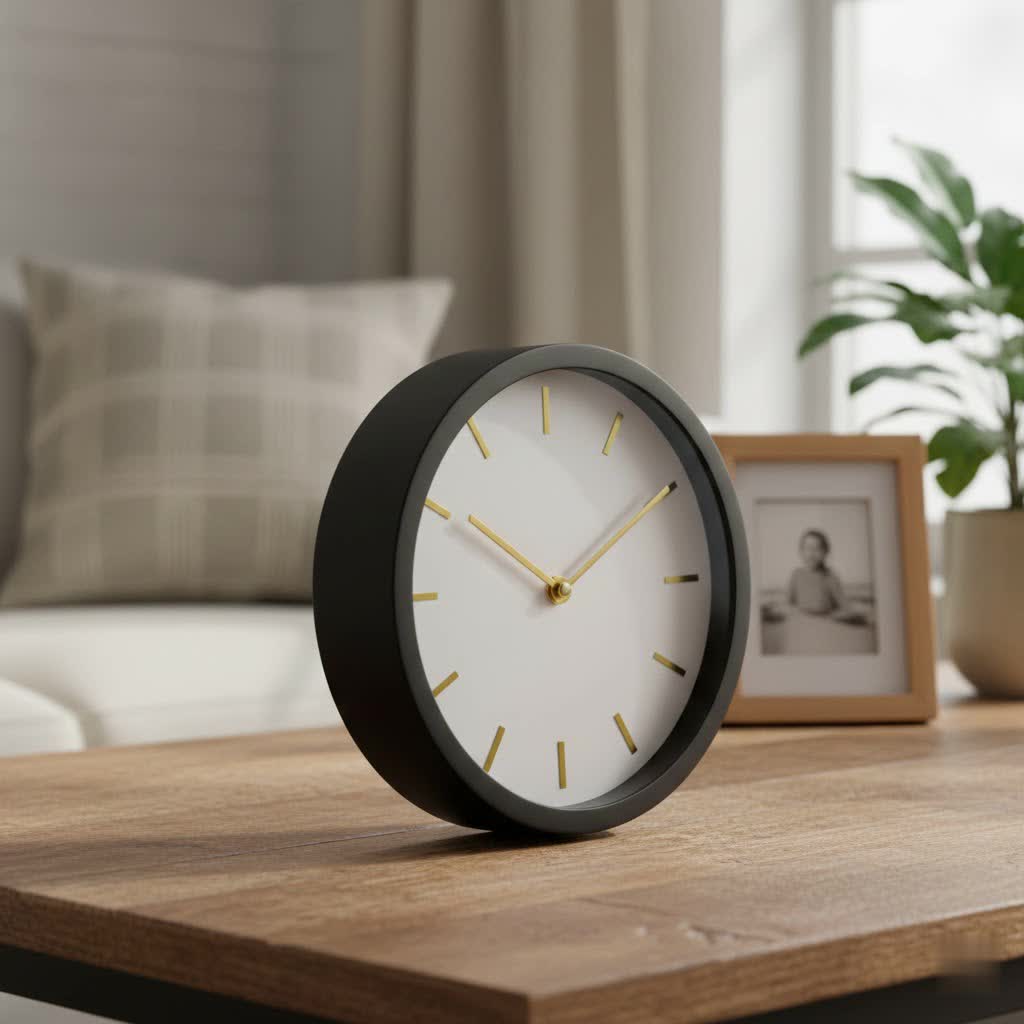
Why Choose an Analog Wall Clock?
Analog clocks evoke a sense of nostalgia and sophistication that digital alternatives often lack. They offer a visual representation of time’s passage, with hands gracefully sweeping across a numbered dial, a subtle ballet that adds character to your home or office. Beyond their aesthetic contributions, many modern analog clocks incorporate advanced mechanisms, ensuring both precision and practicality.
Key Features to Consider When Selecting Your Clock
Choosing the perfect analog wall clock involves balancing functionality with your personal style. Here are the essential features to keep in mind:
Movement: Silent vs. Ticking
The heart of an analog clock is its movement. Most contemporary analog wall clocks feature a quartz movement, known for its accuracy. Within this category, you’ll find two primary types:
- Silent Sweep Movement: Ideal for bedrooms, offices, or any space where tranquility is paramount, these clocks feature a continuous, smooth-gliding second hand, eliminating the distracting “tick-tock” sound.
- Standard Quartz Movement: These clocks produce an audible ticking sound, which some find comforting and traditional, while others prefer to avoid it.
|
Our Picks for the Best Wall Clock in 2026
We may earn a commission when you use one of our links to make a purchase.
|
||
| Num | Product | Action |
|---|---|---|
| 1 | Mosewa Wall Clock 8 Inch, Battery Operated Silent Non-Ticking Modern Analog Clock Decorative for Kitchen, Bedroom, Office(Gold) |

|
| 2 | AKCISOT Wall Clock, Modern Small Wall Clocks Battery Operated 8 Inch, Silent Non-Ticking Analog Classic for Office, Home, Bathroom, Kitchen, Bedroom, School(Silver) |
|
| 3 | AKCISOT Wall Clock 10 Inch Silent Non-Ticking Modern Clocks Battery Operated - Analog Small Classic for Office, Home, Bathroom, Kitchen, Bedroom, School, Living Room(Black) |
|
| 4 | AKCISOT Wall Clock, Modern Small Wall Clocks Battery Operated 8 Inch, Silent Non-Ticking Analog Classic for Office, Home, Bathroom, Kitchen, Bedroom, School(White) |
|
| 5 | AKCISOT Atomic 10 Inch Wall Clock Analog Clocks for Indoor Kitchen, Battery Operated Clock for Bedroom Office Classroom Living Room(Silver) |
|
| 6 | AKCISOT Atomic 10 Inch Wall Clock Analog Clocks for Indoor Kitchen, Battery Operated Clock for Bedroom Office Classroom Living Room(Black) |
|
| 7 | AKCISOT Wall Clock, Modern Small Wall Clocks Battery Operated 8 Inch, Silent Non-Ticking Analog Classic for Office, Home, Bathroom, Kitchen, Bedroom, School(Black) |
|
| 8 | AKCISOT Wall Clock,Boho Kitchen 10 Inch Wall Clocks Battery Operated Non Ticking,Silent Modern Clock Decorative for Bedroom,Office,Bathroom,Living Room,Home (Wood Grain) |
|
| 9 | AKCISOT Wall Clock Silent Non Ticking Modern Wall Clocks Battery Operated 10 Inch, Analog Small Classic Clock Decorative for Bedroom, Kitchen, Home Office, Bathroom, School, Living Room (White) |
|
| 10 | AKCISOT Wall Clock 10 Inch Silent Wall Clocks Battery Operated Non Ticking - Modern Silver Clock Decorative for Kitchen, Bathroom, Bedroom, Living Room, Office, Home(Silver) |
|
|
Our Picks for the Best Wall Clock in 2026
We may earn a commission when you use one of our links to make a purchase.
|
||
| Num | Product | Action |
|---|---|---|
| 1 | AKCISOT Wall Clock 10 Inch Silent Non-Ticking Modern Clocks Battery Operated - Analog Small Classic for Office, Home, Bathroom, Kitchen, Bedroom, School, Living Room(Black) |
|
| 2 | AKCISOT Wall Clock Silent Non Ticking Modern Wall Clocks Battery Operated 10 Inch, Analog Small Classic Clock Decorative for Bedroom, Kitchen, Home Office, Bathroom, School, Living Room (White) |
|
| 3 | AKCISOT Wall Clock, Modern Small Wall Clocks Battery Operated 8 Inch, Silent Non-Ticking Analog Classic for Office, Home, Bathroom, Kitchen, Bedroom, School(Black) |
|
| 4 | Mosewa Wall Clock 8 Inch, Battery Operated Silent Non-Ticking Modern Analog Clock Decorative for Kitchen, Bedroom, Office(Gold) |
|
| 5 | AKCISOT Wall Clock,Boho Kitchen 10 Inch Wall Clocks Battery Operated Non Ticking,Silent Modern Clock Decorative for Bedroom,Office,Bathroom,Living Room,Home (Wood Grain) |
|
| 6 | AKCISOT Wall Clock 10 Inch Silent Wall Clocks Battery Operated Non Ticking - Modern Silver Clock Decorative for Kitchen, Bathroom, Bedroom, Living Room, Office, Home(Silver) |
|
| 7 | AKCISOT Wall Clock, Modern Small Wall Clocks Battery Operated 8 Inch, Silent Non-Ticking Analog Classic for Office, Home, Bathroom, Kitchen, Bedroom, School(Silver) |
|
| 8 | AKCISOT Atomic 10 Inch Wall Clock Analog Clocks for Indoor Kitchen, Battery Operated Clock for Bedroom Office Classroom Living Room(Black) |
|
| 9 | AKCISOT Wall Clock, Modern Small Wall Clocks Battery Operated 8 Inch, Silent Non-Ticking Analog Classic for Office, Home, Bathroom, Kitchen, Bedroom, School(White) |
|
| 10 | AKCISOT Atomic 10 Inch Wall Clock Analog Clocks for Indoor Kitchen, Battery Operated Clock for Bedroom Office Classroom Living Room(Silver) |
|
Readability: Clear Dials and Hands
An analog clock’s primary function is to tell time clearly. Look for:
- Large, Easy-to-Read Digits: Whether you prefer Arabic numerals, Roman numerals, or minimalist markers, ensure the numbers are distinct and legible from a distance.
- Contrasting Hands: Black hands on a white dial, or vice versa, offer excellent visibility. The shape and length of the hour and minute hands also play a role in quick time-telling.
- Glass or Acrylic Lens: A clear cover protects the dial from dust and damage while maintaining readability.
Size and Placement: Finding the Perfect Fit
The size of your wall clock should be proportionate to the wall space and the room it occupies.
- Small (under 12 inches): Perfect for bathrooms, hallways, or smaller kitchens.
- Medium (12-18 inches): Versatile for most living rooms, dining areas, and home offices.
- Large (over 18 inches): Creates a dramatic statement piece in spacious living areas or high-ceiling rooms.
Consider the clock’s visibility from different vantage points in the room.
Material and Style: Reflecting Your Decor
Analog wall clocks come in an immense variety of materials and styles, allowing them to complement virtually any interior design.
- Modern Minimalist: Sleek metal frames, clean lines, and simple dials.
- Classic/Traditional: Rich wooden finishes, ornate details, and Roman numerals often characterize these clocks.
- Farmhouse/Rustic: Distressed wood, galvanized metal, or vintage-inspired designs.
- Industrial: Exposed gears, metal accents, and robust construction.
- Retro: Vibrant colors, unique fonts, and mid-century inspired aesthetics.
Power Source and Additional Features
Most analog wall clocks are battery-operated, typically requiring AA batteries, offering easy placement without the need for outlets. Some advanced models may include:
- Indoor/Outdoor Suitability: Weather-resistant materials for outdoor patios or garages.
- Thermometer and Hygrometer: Integrated gauges to display temperature and humidity.
- Atomic Time Synchronization: Clocks that automatically adjust to precise atomic time signals.
Choosing the Right Analog Wall Clock for Your Space
For the Living Room
As a central gathering space, the living room is an excellent place for a statement-making analog wall clock. Consider larger sizes, unique designs, or materials that tie into your existing furniture and decor, making the clock a true piece of wall art.
For the Kitchen
Functionality and easy cleaning are key in the kitchen. A medium-sized clock with a clear, readable dial and durable, wipeable materials is often preferred.
For the Bedroom or Home Office
Silence is golden in these spaces. A “non-ticking” or “silent sweep” analog wall clock ensures that timekeeping doesn’t disturb your sleep or concentration.
Setting Up and Maintaining Your Analog Wall Clock
Setting up your analog wall clock is typically straightforward:
- Battery Installation: Locate the battery compartment on the back and insert fresh batteries, observing polarity markings.
- Setting the Time: Use the time-setting wheel (usually a small knob on the back) to adjust the hour and minute hands. Avoid moving the hands directly, as this can damage the mechanism.
- Mounting: Choose a secure wall location. Use the hanging slot or keyhole on the back and ensure it aligns with a securely anchored screw or nail in the wall.
For maintenance, simply wipe the clock face and body with a soft, dry cloth. Replace batteries promptly when the clock starts losing time or the second hand falters, and keep it in a dry location away from direct sunlight to preserve its integrity.
Embrace the Timelessness
An analog wall clock is more than just a device to tell time; it’s an accent, an art piece, and a nod to classic design principles. By carefully considering its features and how it harmonizes with your space, you can select an analog wall clock that provides both reliable timekeeping and a touch of enduring beauty to your home or office for years to come.