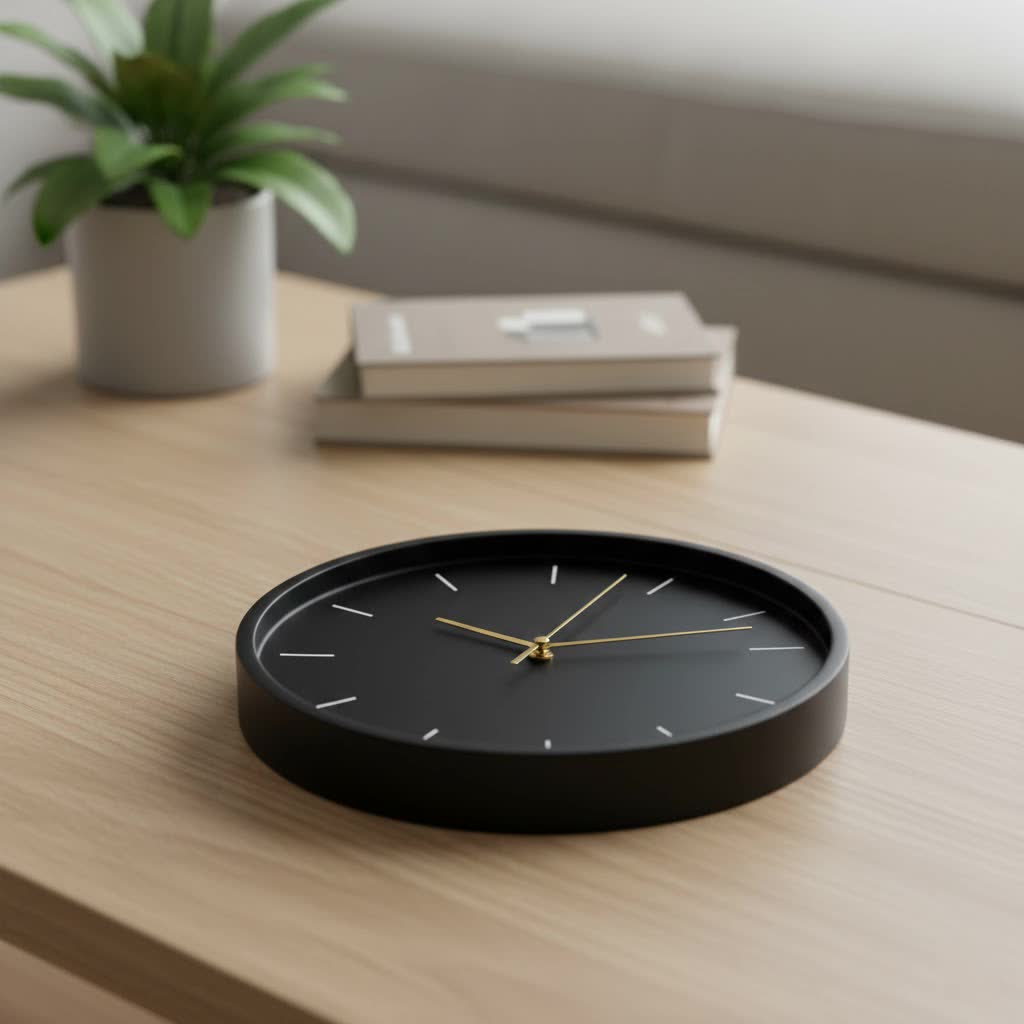
As the Admin of reviewsvipaz.com and a technician with over a decade of experience disassembling, repairing, and evaluating countless wall clocks, I’ve seen firsthand what truly makes a timepiece stand out. From timeless classics to the latest modern designs, a Good Wall Clock is more than just a device that tells time; it’s a statement piece, a functional accent, and a reflection of your home’s character. Choosing the right one involves understanding a blend of mechanics, materials, and aesthetics.
The Pillars of a Quality Wall Clock
When evaluating a wall clock, I always look for several key attributes that ensure longevity, accuracy, and satisfaction.
Accurate Movement: The Heart of the Clock
The core of any good wall clock is its movement mechanism. You’ll typically encounter two main types:
- Quartz Movement: These are battery-operated and highly accurate, making them a popular and reliable choice for most homes. They require minimal maintenance, usually just a battery change once a year.
- Mechanical Movement: For those who appreciate classic charm and intricate craftsmanship, a mechanical clock offers a traditional experience. These often require regular winding but possess a distinct character.
|
Our Picks for the Best Wall Clock in 2026
We may earn a commission when you use one of our links to make a purchase.
|
||
| Num | Product | Action |
|---|---|---|
| 1 | AKCISOT Wall Clock,Boho Kitchen 10 Inch Wall Clocks Battery Operated Non Ticking,Silent Modern Clock Decorative for Bedroom,Office,Bathroom,Living Room,Home (Wood Grain) |

|
| 2 | AKCISOT Wall Clock 10 Inch Silent Wall Clocks Battery Operated Non Ticking - Modern Silver Clock Decorative for Kitchen, Bathroom, Bedroom, Living Room, Office, Home(Silver) |
|
| 3 | Mosewa Wall Clock 8 Inch, Battery Operated Silent Non-Ticking Modern Analog Clock Decorative for Kitchen, Bedroom, Office(Gold) |
|
| 4 | AKCISOT Atomic 10 Inch Wall Clock Analog Clocks for Indoor Kitchen, Battery Operated Clock for Bedroom Office Classroom Living Room(Silver) |
|
| 5 | AKCISOT Wall Clock 10 Inch Silent Non-Ticking Modern Clocks Battery Operated - Analog Small Classic for Office, Home, Bathroom, Kitchen, Bedroom, School, Living Room(Black) |
|
| 6 | AKCISOT Atomic 10 Inch Wall Clock Analog Clocks for Indoor Kitchen, Battery Operated Clock for Bedroom Office Classroom Living Room(Black) |
|
| 7 | AKCISOT Wall Clock, Modern Small Wall Clocks Battery Operated 8 Inch, Silent Non-Ticking Analog Classic for Office, Home, Bathroom, Kitchen, Bedroom, School(Black) |
|
| 8 | AKCISOT Wall Clock, Modern Small Wall Clocks Battery Operated 8 Inch, Silent Non-Ticking Analog Classic for Office, Home, Bathroom, Kitchen, Bedroom, School(Silver) |
|
| 9 | AKCISOT Wall Clock Silent Non Ticking Modern Wall Clocks Battery Operated 10 Inch, Analog Small Classic Clock Decorative for Bedroom, Kitchen, Home Office, Bathroom, School, Living Room (White) |
|
| 10 | AKCISOT Wall Clock, Modern Small Wall Clocks Battery Operated 8 Inch, Silent Non-Ticking Analog Classic for Office, Home, Bathroom, Kitchen, Bedroom, School(White) |
|
|
Our Picks for the Best Wall Clock in 2026
We may earn a commission when you use one of our links to make a purchase.
|
||
| Num | Product | Action |
|---|---|---|
| 1 | AKCISOT Wall Clock 10 Inch Silent Non-Ticking Modern Clocks Battery Operated - Analog Small Classic for Office, Home, Bathroom, Kitchen, Bedroom, School, Living Room(Black) |
|
| 2 | AKCISOT Atomic 10 Inch Wall Clock Analog Clocks for Indoor Kitchen, Battery Operated Clock for Bedroom Office Classroom Living Room(Black) |
|
| 3 | AKCISOT Wall Clock, Modern Small Wall Clocks Battery Operated 8 Inch, Silent Non-Ticking Analog Classic for Office, Home, Bathroom, Kitchen, Bedroom, School(Black) |
|
| 4 | Mosewa Wall Clock 8 Inch, Battery Operated Silent Non-Ticking Modern Analog Clock Decorative for Kitchen, Bedroom, Office(Gold) |
|
| 5 | AKCISOT Wall Clock, Modern Small Wall Clocks Battery Operated 8 Inch, Silent Non-Ticking Analog Classic for Office, Home, Bathroom, Kitchen, Bedroom, School(Silver) |
|
| 6 | AKCISOT Wall Clock 10 Inch Silent Wall Clocks Battery Operated Non Ticking - Modern Silver Clock Decorative for Kitchen, Bathroom, Bedroom, Living Room, Office, Home(Silver) |
|
| 7 | AKCISOT Wall Clock, Modern Small Wall Clocks Battery Operated 8 Inch, Silent Non-Ticking Analog Classic for Office, Home, Bathroom, Kitchen, Bedroom, School(White) |
|
| 8 | AKCISOT Wall Clock Silent Non Ticking Modern Wall Clocks Battery Operated 10 Inch, Analog Small Classic Clock Decorative for Bedroom, Kitchen, Home Office, Bathroom, School, Living Room (White) |
|
| 9 | AKCISOT Wall Clock,Boho Kitchen 10 Inch Wall Clocks Battery Operated Non Ticking,Silent Modern Clock Decorative for Bedroom,Office,Bathroom,Living Room,Home (Wood Grain) |
|
| 10 | AKCISOT Atomic 10 Inch Wall Clock Analog Clocks for Indoor Kitchen, Battery Operated Clock for Bedroom Office Classroom Living Room(Silver) |
|
Regardless of the type, accuracy is paramount. A quality clock should keep precise time without constant adjustments.
Silent Operation: Peace and Quiet
For many, the relentless “tick-tock” of a clock can be a nuisance, especially in quiet spaces like bedrooms or home offices. A good wall clock, particularly those with a “sweep” movement, operates silently, allowing you to enjoy peace without auditory distractions. This is a crucial feature to consider for an uninterrupted environment.
Durable Materials: Built to Last
The materials used in a wall clock significantly impact its durability and overall aesthetic. High-quality clocks are typically crafted from robust materials such as solid wood, various metals, or durable, high-grade plastics. These materials not only ensure the clock withstands the test of time but also contribute to its visual appeal and ability to resist wear and tear in high-traffic areas like kitchens, where easy-to-clean materials like acrylic or stainless steel are often preferred. Always inspect the finish for any imperfections, as this can be a tell-tale sign of craftsmanship.
Readability and Visibility: Easy Time-Telling
A clock’s primary function is to tell time, so readability is non-negotiable. Look for designs with clear, large numbers or distinct markers and hands that contrast well with the clock face. The hands should be appropriately sized and evenly spaced, allowing you to tell the time at a glance from across the room.
Design and Style: Harmonizing with Your Home
A wall clock should complement your interior decor, acting as a cohesive element rather than an afterthought.
Matching Your Aesthetic
Whether your home leans modern, rustic, vintage, minimalist, or traditional, there’s a wall clock to match.
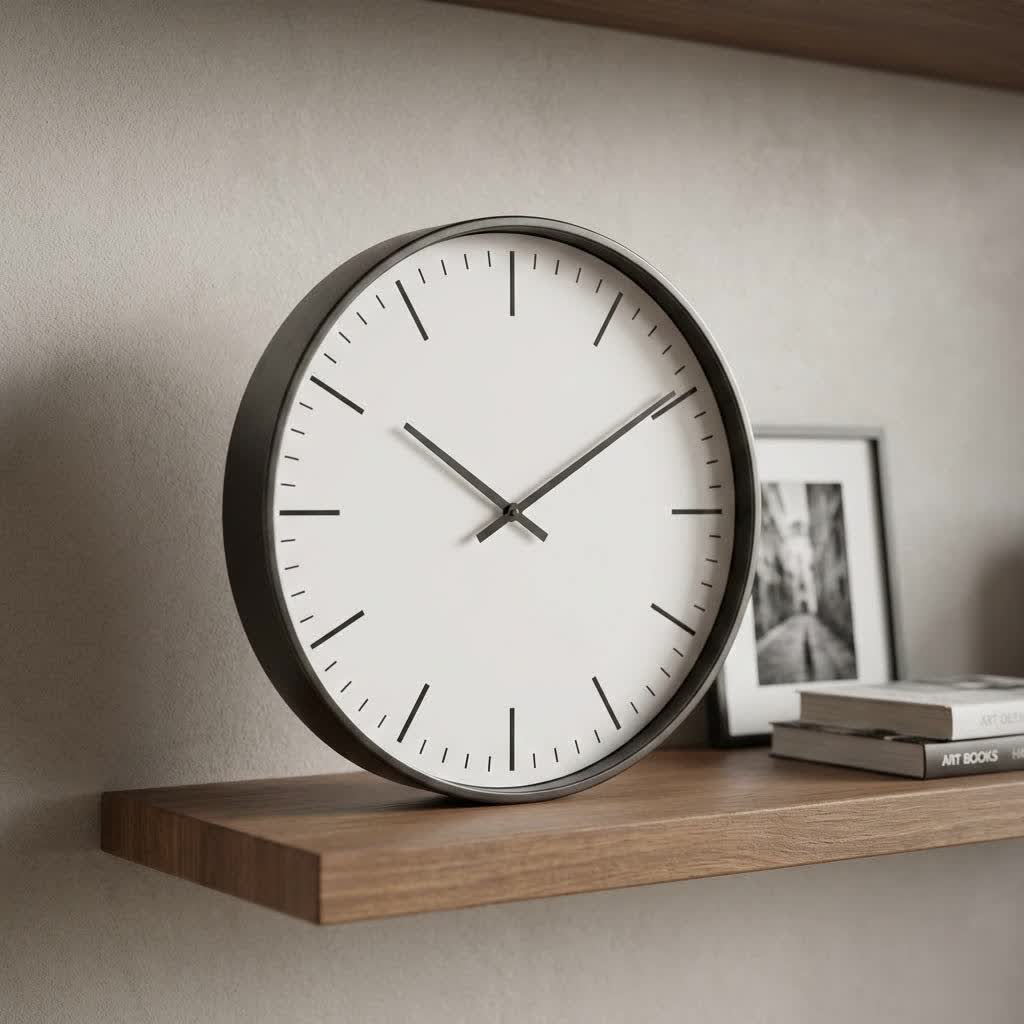
- Modern and Minimalist: Opt for sleek lines, metallic finishes, or simple, understated designs. Oversized metal clocks or those with 3D geometric shapes can make a bold statement.
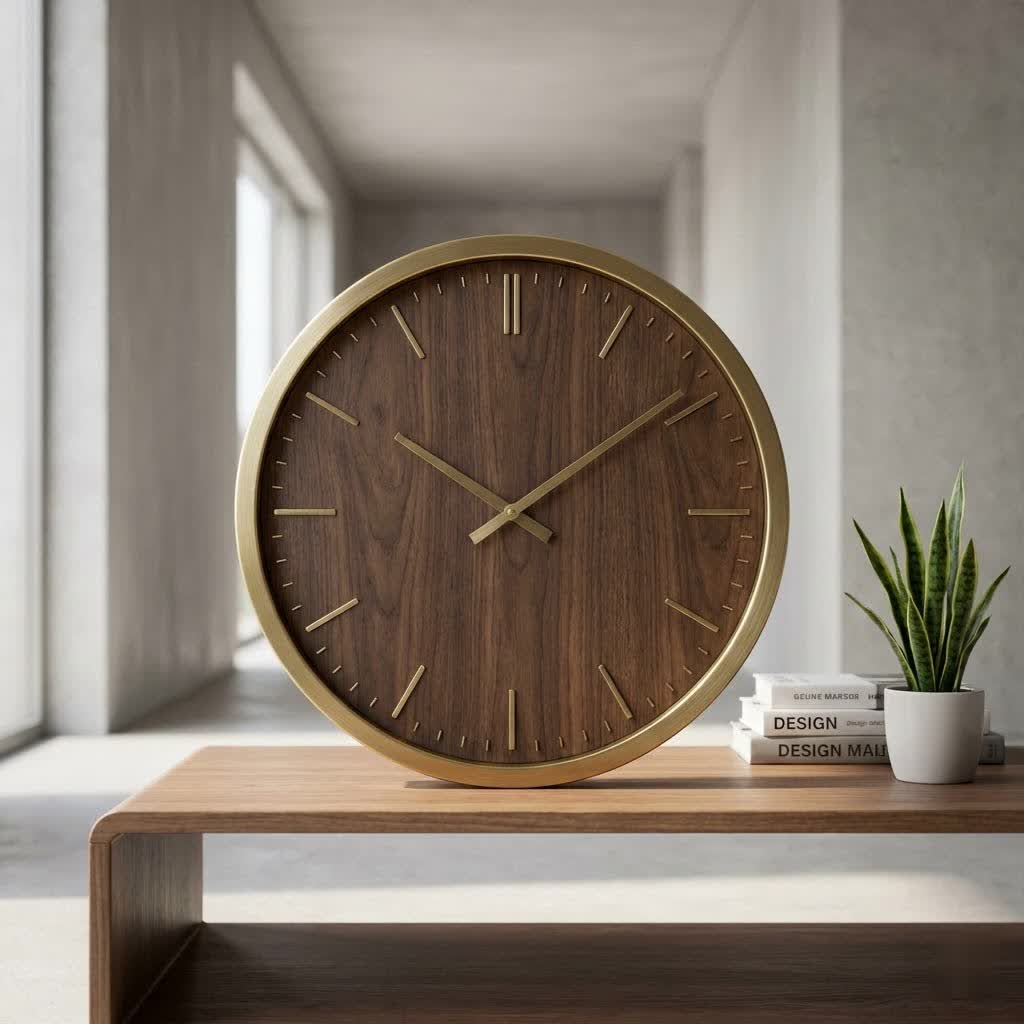
- Rustic and Farmhouse: Wooden clocks with natural finishes or vintage-inspired designs blend seamlessly.
- Traditional: Classic round clocks, often with ornate details or Roman numerals, exude elegance.
Consider the clock as a piece of wall art that enhances the room’s ambiance. A well-chosen clock can instantly make a space feel cozier or more sophisticated.
Size and Placement: The Right Fit for Every Space
The size of your wall clock should be proportionate to the available wall space and the room it occupies.
- Standard (6-18 inches): Ideal for smaller rooms or as part of a gallery wall.
- Medium (12-24 inches): Works well as a focal point without overwhelming the space.
- Large/Oversized (24+ inches): Perfect for grand living rooms or spacious areas where you want to make a significant style statement.
Thoughtful placement is also key. In a kitchen, a practical and easy-to-read clock is essential. For a bedroom, a silent sweep clock is preferable to avoid disturbing sleep. In a home office, a sleek and simple design prevents distractions.
Beyond the Basics: Extra Features and Maintenance
Some wall clocks offer additional features that enhance their utility:
- Chimes: For a traditional touch, some mechanical and quartz clocks include chimes.
- Atomic Time: These clocks automatically synchronize with an atomic clock signal for unparalleled accuracy and adjust for daylight saving.
- Smart Features: Modern options might include temperature displays, humidity readings, or even Bluetooth speakers.
Finally, proper maintenance ensures your clock continues to look good and keep accurate time. Regular dusting and cleaning, along with timely battery replacements for quartz models, will keep your wall clock in excellent working order for years to come.
Choosing a good wall clock is about finding that perfect balance between accurate timekeeping, durable construction, and a design that truly resonates with your personal style and home decor. With these considerations in mind, you’re well on your way to selecting a timepiece that you’ll cherish.