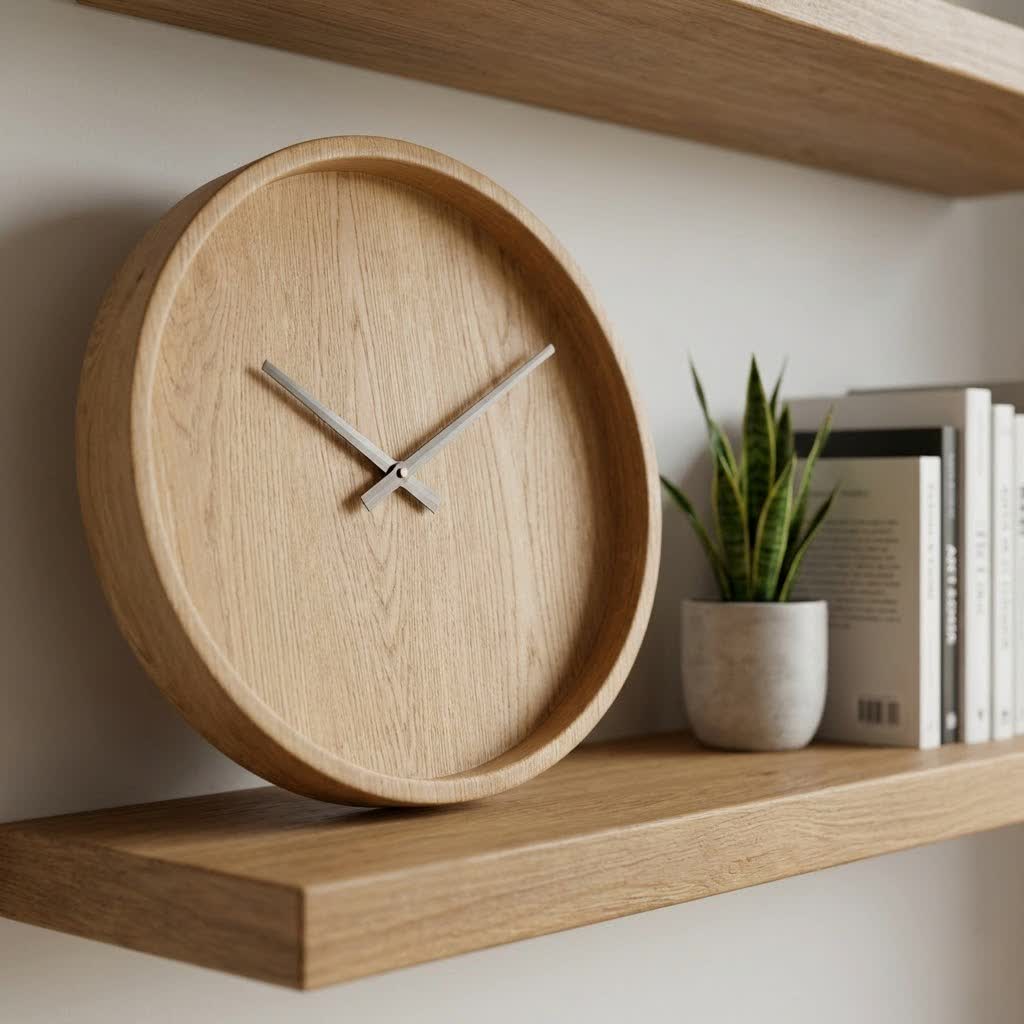
A large antique wall clock is more than just a time-telling device; it is a captivating piece of history, an artistic statement, and a focal point that breathes character into any space. These magnificent instruments carry stories from bygone eras, offering a tangible connection to the past through their intricate craftsmanship and enduring beauty. For those seeking to infuse their homes with elegance and a sense of heritage, a substantial antique wall clock stands as an unparalleled choice.
The Enduring Allure of Time-Honored Design
What draws so many to the grandeur of large antique wall clocks? It’s their unique ability to transcend mere functionality and become central elements of decor. Unlike modern timepieces, antique clocks often boast impressive dimensions, making them naturally command attention. They serve not only as reliable keepers of time but also as striking conversation pieces, each with its own rich narrative etched into its wood and metal.
An “antique” typically refers to an item over 100 years old, while “vintage” often denotes something less than a century old but still from a significant past era. Many wall clocks encountered today, particularly the larger ones, comfortably fit the antique designation, showcasing a level of artistry rarely seen in contemporary manufacturing.
Unveiling Diverse Styles and Craftsmanship
The world of large antique wall clocks is rich with diverse styles, each reflecting the aesthetic preferences and technological advancements of its period. Some of the most sought-after styles include:
- Regulator Clocks: Known for their precision and elegant, often elongated cases, regulator clocks were initially used in observatories and public buildings to set time standards. Styles like the Vienna Regulator are celebrated for their meticulous construction, often featuring fine woods and detailed dials.
- Banjo Clocks: Developed in early 19th-century America by clockmaker Simon Willard, the banjo clock is distinctive for its shape, resembling the musical instrument. These elegant wall clocks are highly prized by collectors for their slender profiles and classic appeal.
- Wag-on-the-Wall Clocks: Originating in the 17th century, these earlier wall clocks are characterized by their exposed weight and pendulum mechanisms, offering a rustic charm with their visible inner workings.
- Schoolhouse Clocks: Often simpler in design, these clocks were staples in educational institutions and public offices, recognized for their clear dials and robust construction.
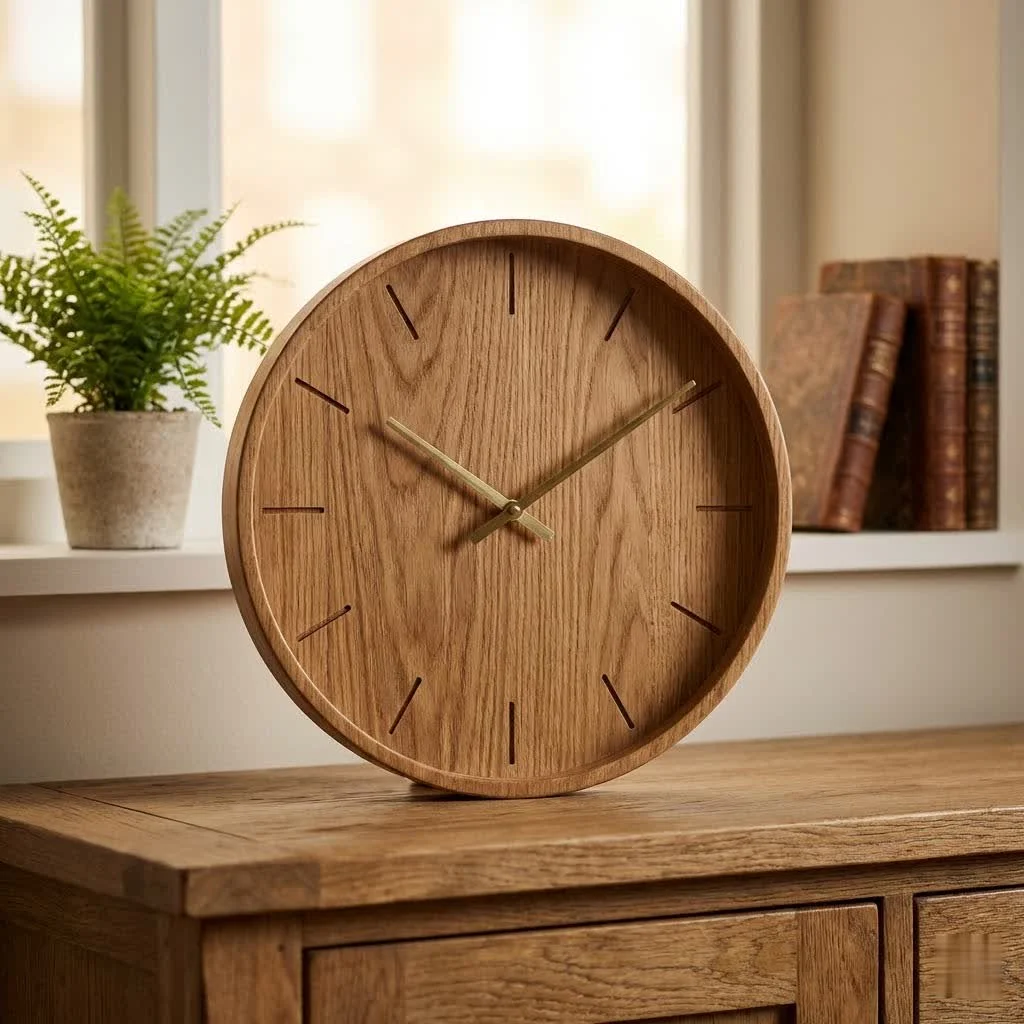
The materials used in these clocks are integral to their enduring charm. You’ll frequently find cases crafted from rich woods like oak, walnut, and mahogany, often adorned with brass or other metals for the hands, bezels, and internal movements. These natural materials develop a unique patina over time, adding to the clock’s character and authenticity.
A Buyer’s Guide: What to Prioritize
Acquiring a large antique wall clock is a rewarding endeavor, but it requires careful consideration to ensure you find a genuine and cherished piece.
Authenticity and Condition
|
Our Picks for the Best Wall Clock in 2026
As an Amazon Associate I earn from qualifying purchases.
|
||
| Num | Product | Action |
|---|---|---|
| 1 | AKCISOT Wall Clock, Modern Small Wall Clocks Battery Operated 8 Inch, Silent Non-Ticking Analog Classic for Office, Home, Bathroom, Kitchen, Bedroom, School(Silver) |

|
| 2 | AKCISOT Wall Clock, Modern Small Wall Clocks Battery Operated 8 Inch, Silent Non-Ticking Analog Classic for Office, Home, Bathroom, Kitchen, Bedroom, School(White) |
|
| 3 | AKCISOT Wall Clock Silent Non Ticking Modern Wall Clocks Battery Operated 10 Inch, Analog Small Classic Clock Decorative for Bedroom, Kitchen, Home Office, Bathroom, School, Living Room (White) |
|
| 4 | AKCISOT Wall Clock,Boho Kitchen 10 Inch Wall Clocks Battery Operated Non Ticking,Silent Modern Clock Decorative for Bedroom,Office,Bathroom,Living Room,Home (Wood Grain) |
|
| 5 | AKCISOT Wall Clock 10 Inch Silent Wall Clocks Battery Operated Non Ticking - Modern Silver Clock Decorative for Kitchen, Bathroom, Bedroom, Living Room, Office, Home(Silver) |
|
| 6 | AKCISOT Atomic 10 Inch Wall Clock Analog Clocks for Indoor Kitchen, Battery Operated Clock for Bedroom Office Classroom Living Room(Silver) |
|
| 7 | AKCISOT Wall Clock 10 Inch Silent Non-Ticking Modern Clocks Battery Operated - Analog Small Classic for Office, Home, Bathroom, Kitchen, Bedroom, School, Living Room(Black) |
|
| 8 | AKCISOT Atomic 10 Inch Wall Clock Analog Clocks for Indoor Kitchen, Battery Operated Clock for Bedroom Office Classroom Living Room(Black) |
|
| 9 | Mosewa Wall Clock 8 Inch, Battery Operated Silent Non-Ticking Modern Analog Clock Decorative for Kitchen, Bedroom, Office(Gold) |
|
| 10 | AKCISOT Wall Clock, Modern Small Wall Clocks Battery Operated 8 Inch, Silent Non-Ticking Analog Classic for Office, Home, Bathroom, Kitchen, Bedroom, School(Black) |
|
The first step is to discern authenticity. Look for maker’s marks or logos, which might be present on the dial, the movement, or even engraved inside the clock’s back panel. Researching these marks can help verify the clock’s age and origin. Be wary of pieces that feel unusually light, as this could indicate the use of cheaper, modern components. The presence of plastic in a clock claiming to be from before the mid-20th century is also a red flag, as plastics were not commonly used in early clock manufacturing.
When assessing condition, decide if you desire a functional timepiece or primarily a decorative object. A working clock with a smooth, even ticking mechanism will hold more value. While some wear and tear, like slight fading or minor scratches, can add to its historical charm, significant damage to the dial, missing parts, or signs of poor repairs (such as visible glue marks) should be noted. Over-restoration can sometimes diminish an antique’s value, so seek clocks with original components where possible.
Craftsmanship and Materials
Examine the quality of the craftsmanship. Hand-carved details, carefully joined wood, and precisely manufactured metal parts are hallmarks of genuine antique clocks. The wood should exhibit a natural grain and patina consistent with age. For brass elements, a greenish oxidation indicates authentic aging.
Provenance and Documentation
A clock with a verifiable history, or provenance, is often more desirable. Original labels, old receipts, or certificates of authenticity can significantly enhance a clock’s appeal and value. Don’t hesitate to ask the seller about the clock’s history, its origins, and any available documentation.
Placement and Ongoing Care
Considering the substantial size of these clocks, think about where it will hang in your home. A large antique wall clock makes a grand statement in a living room, dining area, or a spacious hallway. Ensure the wall can support its weight, and choose a location where it can be admired without overwhelming the space.
Mechanical antique clocks require periodic care. Understand whether the clock features a 30-hour movement (requiring daily winding) or an 8-day movement (requiring weekly winding). Regular, gentle winding and occasional professional servicing are crucial to ensure these intricate mechanisms continue to tell time accurately for generations to come.
Embracing a large antique wall clock is an investment in history, artistry, and a unique aesthetic that enriches your living environment with unparalleled character.
Get our weekly buyer guide
Practical specs, not advice. Unsubscribe anytime.
