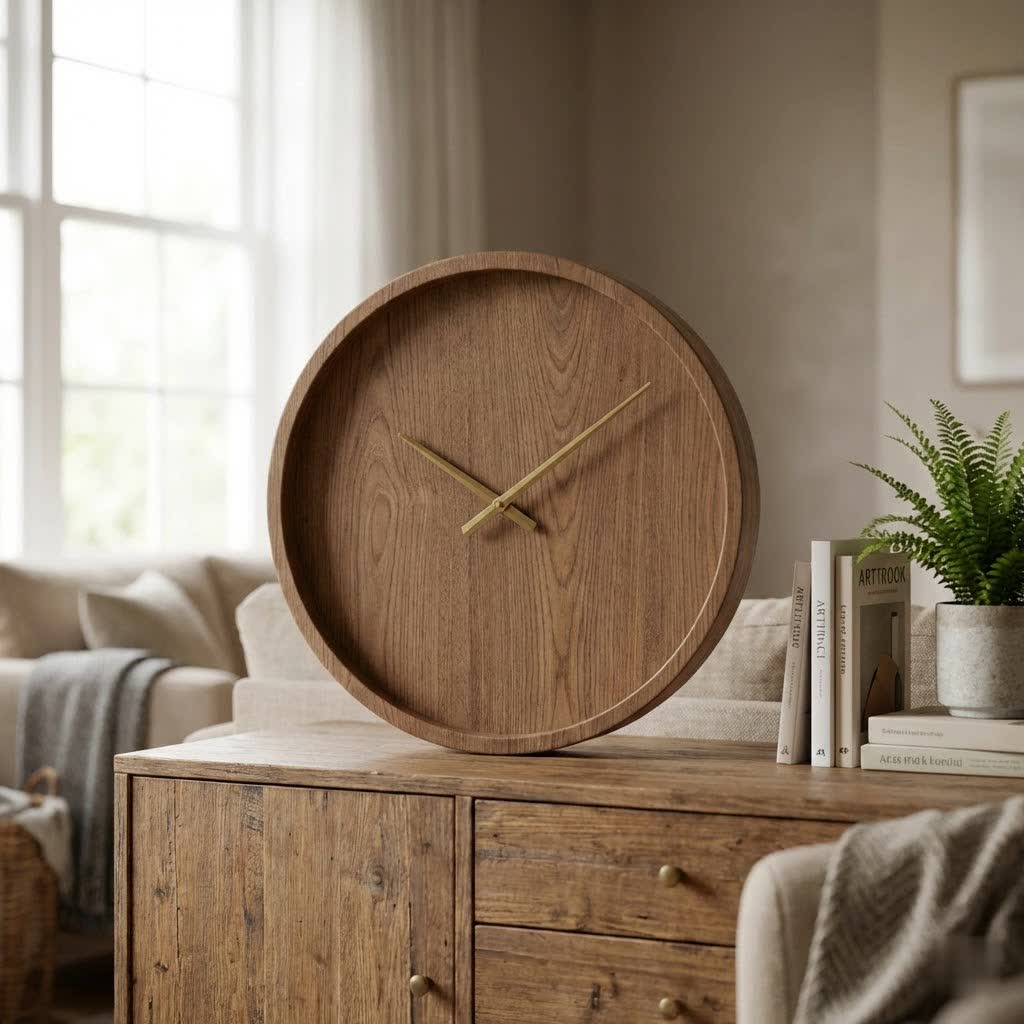
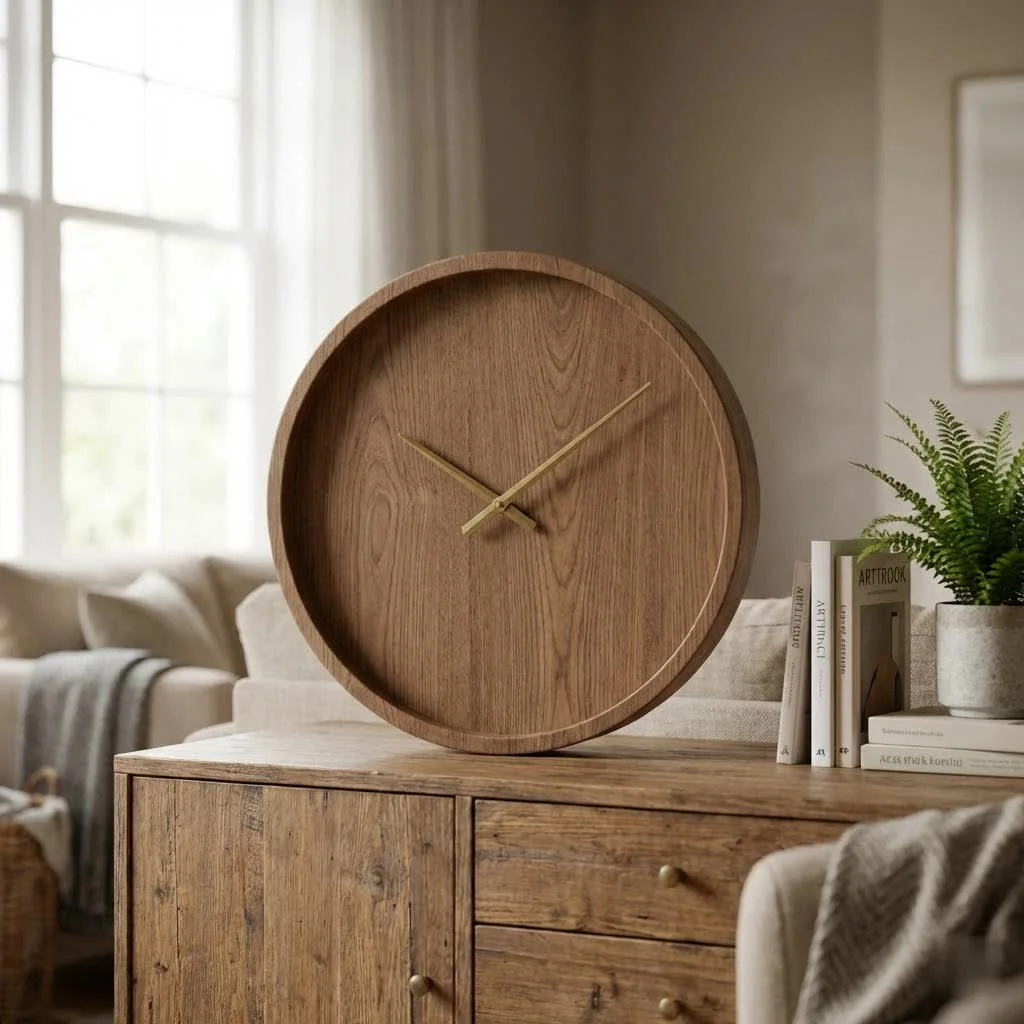
A long wall clock is more than just a time-telling device; it’s a powerful statement piece that can transform the aesthetic of any room. Unlike standard timepieces, a long wall clock commands attention, becoming a focal point that blends functionality with high-impact design. Whether you’re aiming to fill a vast empty wall or add a sophisticated touch to a narrow space, the right long wall clock can profoundly influence your home’s ambiance.
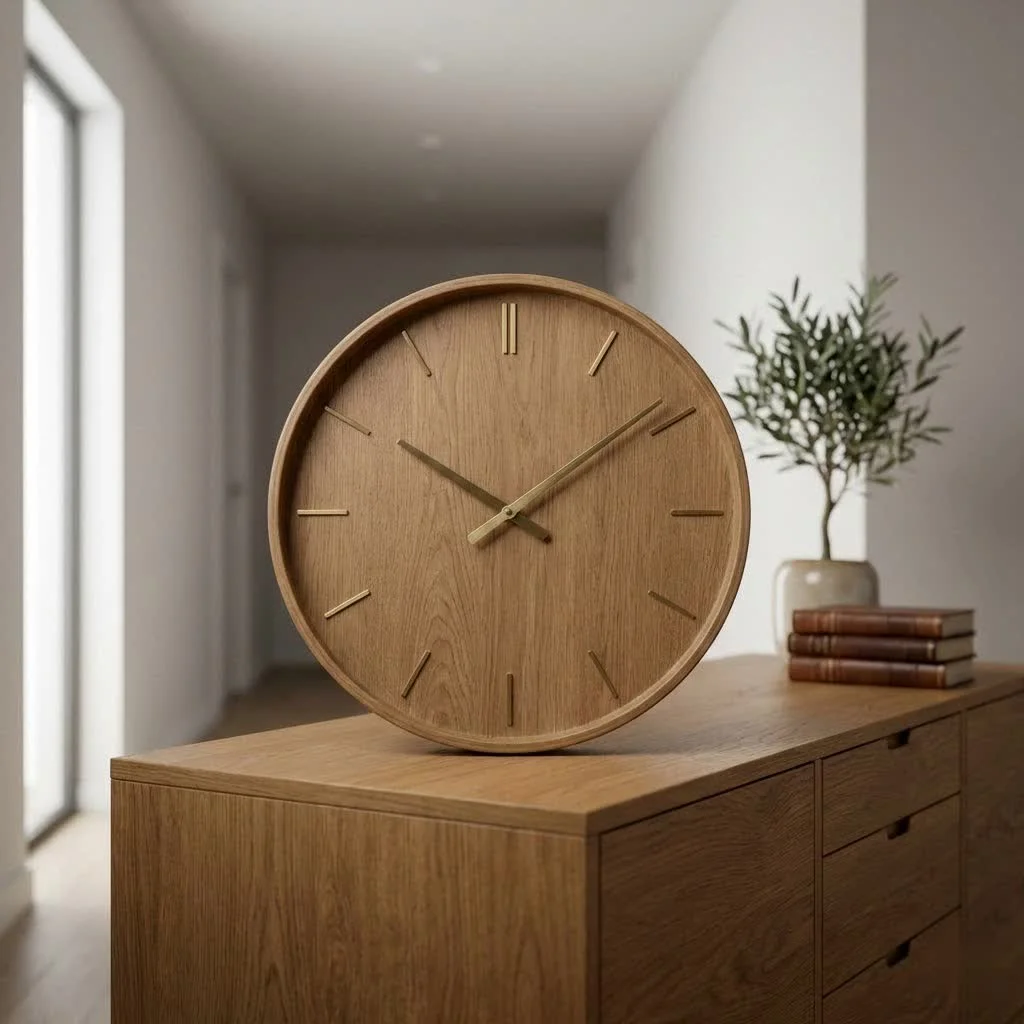
Why a Long Wall Clock Deserves a Spot on Your Wall
Opting for a long wall clock offers several distinctive advantages, making it a popular choice for interior designers and homeowners alike: For shop curated home decor on this site.
- Creates a Striking Focal Point: Its significant size naturally draws the eye, making it the undeniable center of attention in a room.
- Optimizes Vertical Space: Ideal for rooms with high ceilings or tall, narrow walls, it fills otherwise challenging spaces with purpose and elegance.
- Enhances Room Character: A well-chosen long wall clock can elevate your decor, adding a layer of sophistication, charm, or contemporary flair.
- Blends Practicality with Art: It serves the essential function of timekeeping while simultaneously acting as a piece of wall art, reflecting your personal style.
Key Considerations for Selecting Your Perfect Long Wall Clock
Choosing the right long wall clock involves more than just liking its look. Thoughtful consideration of several factors will ensure your chosen timepiece is a harmonious and lasting addition to your home.
1. Size and Proportion
The scale of your clock relative to your wall and room size is paramount.
- For Large, Open Spaces: In expansive living rooms, dining areas, or open-plan layouts, an oversized clock (often 60cm, 70cm, or even 80cm and larger in diameter or height) can serve as a stunning showstopper and be easily read from across the room.
- For Smaller or Narrower Walls: While the term “long” implies size, even in more modest spaces, a slender, elongated clock can add height without overwhelming the area.
- The 1-Inch Rule: A good guideline is to allow approximately 1 inch of clock diameter for every 10 feet of viewing distance. This helps ensure readability and aesthetic balance.
2. Style and Design
|
Our Picks for the Best Wall Clock in 2026
As an Amazon Associate I earn from qualifying purchases.
|
||
| Num | Product | Action |
|---|---|---|
| 1 | AKCISOT Wall Clock, Modern Small Wall Clocks Battery Operated 8 Inch, Silent Non-Ticking Analog Classic for Office, Home, Bathroom, Kitchen, Bedroom, School(White) |

|
| 2 | AKCISOT Atomic 10 Inch Wall Clock Analog Clocks for Indoor Kitchen, Battery Operated Clock for Bedroom Office Classroom Living Room(Black) |
|
| 3 | AKCISOT Wall Clock,Boho Kitchen 10 Inch Wall Clocks Battery Operated Non Ticking,Silent Modern Clock Decorative for Bedroom,Office,Bathroom,Living Room,Home (Wood Grain) |
|
| 4 | Mosewa Wall Clock 8 Inch, Battery Operated Silent Non-Ticking Modern Analog Clock Decorative for Kitchen, Bedroom, Office(Gold) |
|
| 5 | AKCISOT Wall Clock Silent Non Ticking Modern Wall Clocks Battery Operated 10 Inch, Analog Small Classic Clock Decorative for Bedroom, Kitchen, Home Office, Bathroom, School, Living Room (White) |
|
| 6 | AKCISOT Atomic 10 Inch Wall Clock Analog Clocks for Indoor Kitchen, Battery Operated Clock for Bedroom Office Classroom Living Room(Silver) |
|
| 7 | AKCISOT Wall Clock, Modern Small Wall Clocks Battery Operated 8 Inch, Silent Non-Ticking Analog Classic for Office, Home, Bathroom, Kitchen, Bedroom, School(Silver) |
|
| 8 | AKCISOT Wall Clock 10 Inch Silent Non-Ticking Modern Clocks Battery Operated - Analog Small Classic for Office, Home, Bathroom, Kitchen, Bedroom, School, Living Room(Black) |
|
| 9 | AKCISOT Wall Clock, Modern Small Wall Clocks Battery Operated 8 Inch, Silent Non-Ticking Analog Classic for Office, Home, Bathroom, Kitchen, Bedroom, School(Black) |
|
| 10 | AKCISOT Wall Clock 10 Inch Silent Wall Clocks Battery Operated Non Ticking - Modern Silver Clock Decorative for Kitchen, Bathroom, Bedroom, Living Room, Office, Home(Silver) |
|
Your wall clock should seamlessly integrate with or purposefully contrast your existing interior decor.
- Modern & Minimalist: Look for sleek lines, simple numerals or markers, and often metallic or acrylic finishes.
- Classic & Traditional: Consider grand pendulum clocks, such as the elegant Vienna Regulator, or those with Roman numerals and ornate wooden frames.
- Industrial Chic: Clocks featuring exposed gears, distressed metal, or a raw, robust aesthetic fit this style.
- Farmhouse & Rustic: Clocks made with natural wood, distressed finishes, or simple, welcoming designs are perfect.
- Artistic & Unique: Some clocks, like “word clocks” that display time in text, blur the line between a timepiece and a sculptural art piece.
3. Material Quality
The material of your clock influences its durability, weight, and overall look.
- Wood: Offers warmth and classic appeal, from solid hardwoods to veneers.
- Metal: Provides a sleek, modern, or industrial feel. Common metals include steel, brass, and aluminum.
- Glass: Often used for the clock face cover, and sometimes as a primary design element for a contemporary touch.
- Acrylic: A versatile and often lighter option, good for modern and abstract designs.
Ensure that the frame is sturdy and the finish is durable, ideally scratch-resistant, to maintain its appearance over time.
4. Movement Mechanism
The inner workings of your clock determine its accuracy and sound.
- Quartz Movement: This is the most common type, known for its accuracy and low maintenance.
- Silent Sweep: Ideal for bedrooms, offices, or quiet living areas, as it eliminates the traditional “ticking” sound.
- Ticking: The classic sound, which some prefer for its nostalgic charm.
- High-Torque Mechanisms: Recommended for larger clocks (over 35 inches) to ensure the hands move smoothly and accurately without strain.
- Mechanical Movement: Less common in modern wall clocks, these often require winding and offer a traditional, artisanal experience.
5. Readability
Regardless of its decorative prowess, a clock’s primary function is to tell time clearly.
- Contrast: Ensure there’s sufficient contrast between the clock face, numerals/markers, and hands for easy viewing from a distance.
- Numerals: Consider Arabic numerals for quick readability, or Roman numerals for a more classic aesthetic.
6. Placement and Installation
Strategic placement maximizes both function and aesthetic impact.
- Eye Level: Hang your clock at eye level for optimal visibility.
- Sightlines: Consider how the clock looks from different angles within the room.
- Secure Mounting: For heavier long wall clocks, always use appropriate screws and wall anchors to ensure it is safely secured, especially on drywall or plaster.
- Integration: Decide if the clock will be a standalone statement or part of a larger gallery wall arrangement. It can serve as an anchor around which other pieces are arranged.
The Enduring Appeal of Long Wall Clocks
A long wall clock is an investment in both utility and enduring style. It reflects an appreciation for design, history, and the simple elegance of a well-appointed space. By thoughtfully considering size, style, material, and movement, you can select a timepiece that not only tells the hour but also enriches the character and beauty of your home for years to come.
Get our weekly buyer guide
Practical specs, not advice. Unsubscribe anytime.
