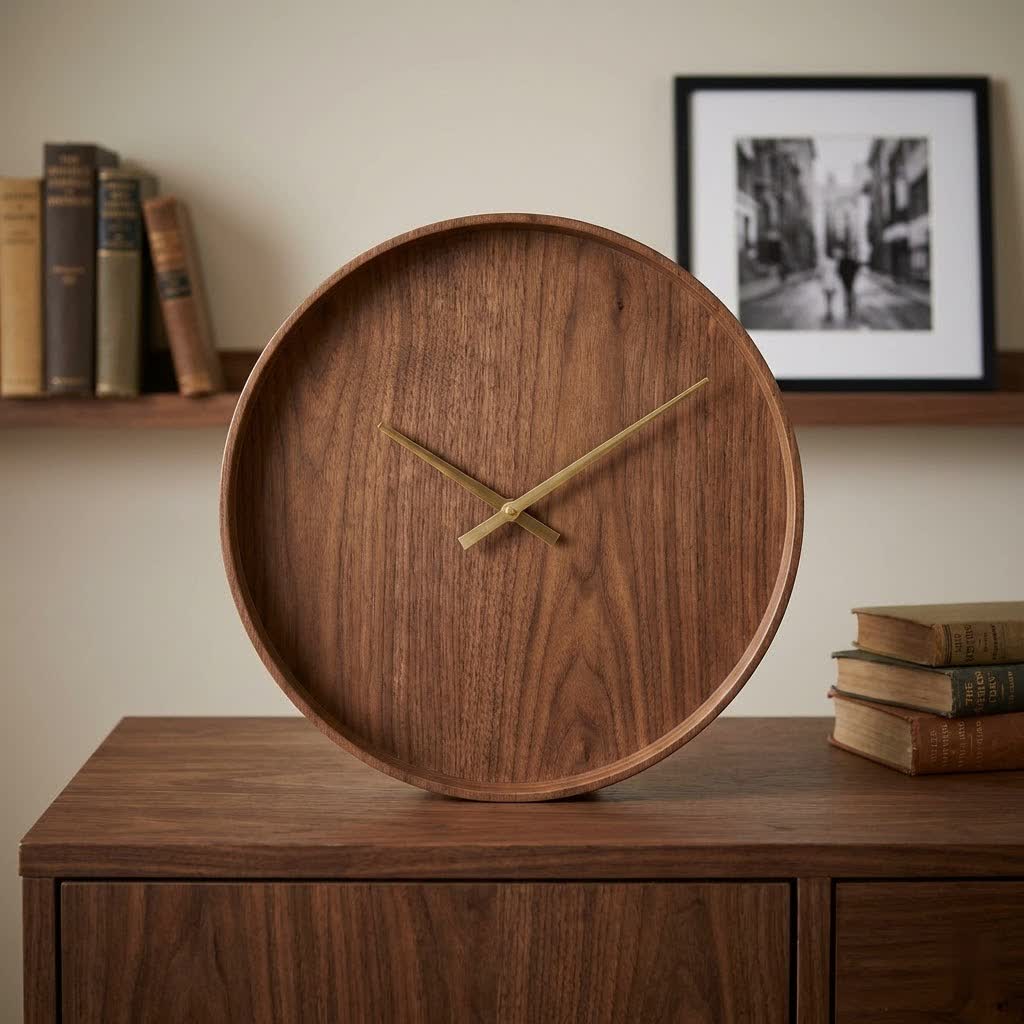
A mid-century wall clock is far more than a simple device for telling time; it’s a statement piece, a relic of an iconic design era that continues to captivate and inspire. These clocks embody a distinctive aesthetic that can effortlessly elevate the look and feel of any room, blending historical charm with contemporary sophistication.
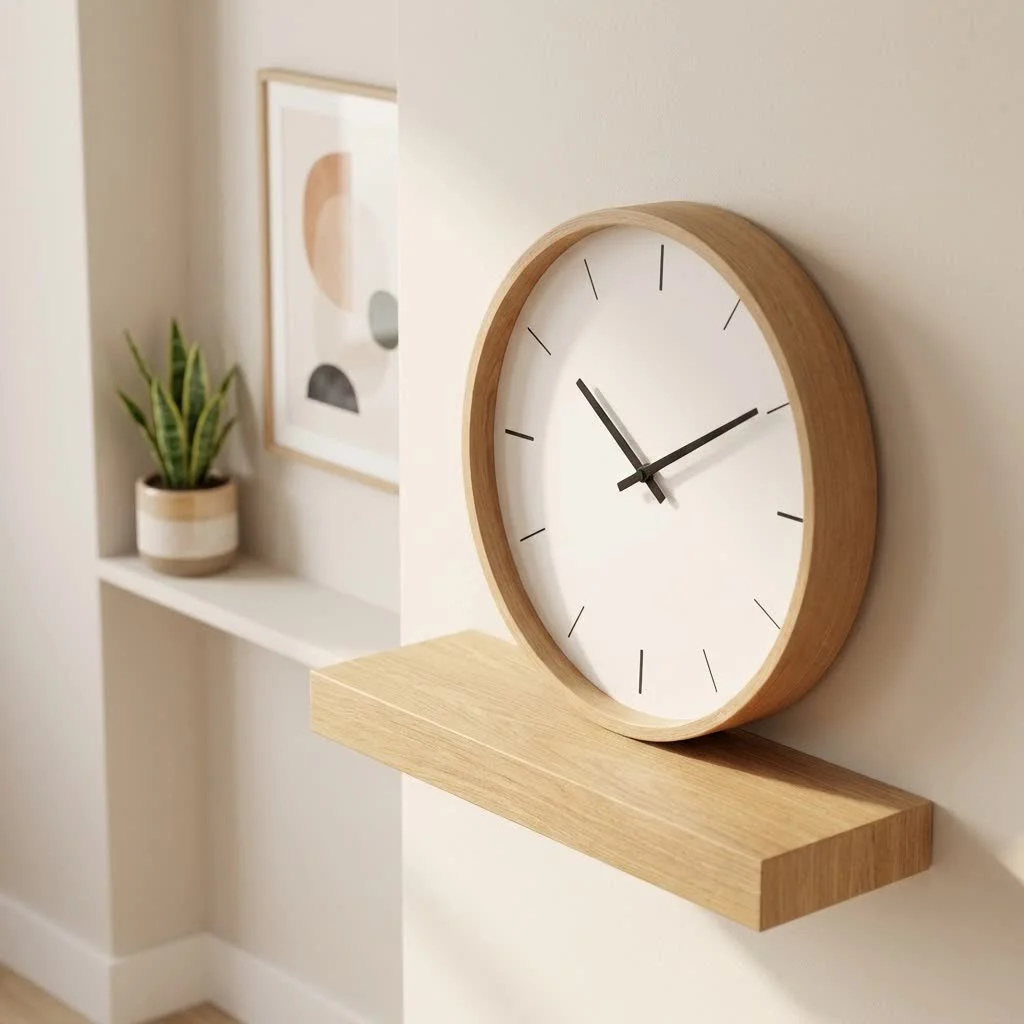
The Enduring Charm of Mid-Century Modern Design
The Mid-Century Modern (MCM) movement, flourishing from the 1940s to the 1960s, prioritized functionality, clean lines, and a minimalist approach, shedding unnecessary ornamentation. Mid-century wall clocks are perfect examples of these principles, characterized by sleek forms and a focus on essential design. They often feature geometric shapes—circles, triangles, and rectangles—creating harmonious visual compositions. This commitment to simplicity and elegance allows the clock’s design to speak for itself, adding character and a unique charm to living spaces. For more home decor guides on this site.
Signature Styles and Materials
Mid-century wall clocks are celebrated for their diverse and instantly recognizable styles. The starburst and atomic designs are arguably the most iconic, radiating outward from a central point, symbolizing the era’s fascination with the space age. Other popular styles include sunburst, orb, and more understated geometric forms.
Designers of this period expertly utilized a range of materials to achieve their distinctive looks. Wood, particularly rich walnut, teak, and oak, was a favored choice for frames and decorative elements, bringing warmth and natural texture. Metals like polished brass and sleek steel often served as accents or for hands, providing a touch of refinement. Furthermore, innovative use of glass and even vibrant plastics contributed to the era’s playful yet sophisticated palette, offering options in bold colors like mustard yellow, avocado green, teal, and orange, often contrasted with neutral tones.
Choosing Your Perfect Mid-Century Wall Clock
|
Our Picks for the Best Wall Clock in 2026
As an Amazon Associate I earn from qualifying purchases.
|
||
| Num | Product | Action |
|---|---|---|
| 1 | AKCISOT Wall Clock,Boho Kitchen 10 Inch Wall Clocks Battery Operated Non Ticking,Silent Modern Clock Decorative for Bedroom,Office,Bathroom,Living Room,Home (Wood Grain) |

|
| 2 | AKCISOT Wall Clock, Modern Small Wall Clocks Battery Operated 8 Inch, Silent Non-Ticking Analog Classic for Office, Home, Bathroom, Kitchen, Bedroom, School(Silver) |
|
| 3 | AKCISOT Wall Clock Silent Non Ticking Modern Wall Clocks Battery Operated 10 Inch, Analog Small Classic Clock Decorative for Bedroom, Kitchen, Home Office, Bathroom, School, Living Room (White) |
|
| 4 | AKCISOT Wall Clock, Modern Small Wall Clocks Battery Operated 8 Inch, Silent Non-Ticking Analog Classic for Office, Home, Bathroom, Kitchen, Bedroom, School(Black) |
|
| 5 | AKCISOT Atomic 10 Inch Wall Clock Analog Clocks for Indoor Kitchen, Battery Operated Clock for Bedroom Office Classroom Living Room(Silver) |
|
| 6 | AKCISOT Atomic 10 Inch Wall Clock Analog Clocks for Indoor Kitchen, Battery Operated Clock for Bedroom Office Classroom Living Room(Black) |
|
| 7 | Mosewa Wall Clock 8 Inch, Battery Operated Silent Non-Ticking Modern Analog Clock Decorative for Kitchen, Bedroom, Office(Gold) |
|
| 8 | AKCISOT Wall Clock 10 Inch Silent Wall Clocks Battery Operated Non Ticking - Modern Silver Clock Decorative for Kitchen, Bathroom, Bedroom, Living Room, Office, Home(Silver) |
|
| 9 | AKCISOT Wall Clock, Modern Small Wall Clocks Battery Operated 8 Inch, Silent Non-Ticking Analog Classic for Office, Home, Bathroom, Kitchen, Bedroom, School(White) |
|
| 10 | AKCISOT Wall Clock 10 Inch Silent Non-Ticking Modern Clocks Battery Operated - Analog Small Classic for Office, Home, Bathroom, Kitchen, Bedroom, School, Living Room(Black) |
|
Selecting the ideal mid-century wall clock involves balancing its visual allure with practical considerations.
- Size and Proportion: Consider the space where the clock will reside. A large wall clock can become a dramatic focal point in a spacious room, while a smaller, more subtle piece might be perfect for a cozy nook or to complement existing decor without overwhelming it.
- Materials and Craftsmanship: Examine the quality of materials and attention to detail. Well-crafted pieces, whether vintage or contemporary reproductions, will showcase the era’s design aesthetic with durability. Wooden clocks offer warmth, while metal clocks provide a sleek, modern edge.
- Movement and Functionality: While aesthetics are paramount, functionality should not be overlooked. Many modern reproductions offer silent quartz movements, a practical feature for quiet spaces. For authentic vintage pieces, understanding the mechanism—whether mechanical or electrical—and its maintenance needs is crucial.
- Placement: Mid-century wall clocks are versatile. They can be striking additions to living rooms, adding a retro focal point, or bring a cheerful touch to a kitchen. They also integrate beautifully into offices, bedrooms, and even bathrooms, enhancing the overall aesthetic.
Integrating Mid-Century Clocks into Modern Decor
One of the greatest strengths of mid-century wall clocks is their ability to blend seamlessly with various interior design styles. Their clean lines and natural materials make them excellent companions for contemporary, Scandinavian, or even industrial decors. A starburst clock can inject dynamic energy into a minimalist room, while a wooden design can ground a space with organic warmth. They provide a unique way to introduce a touch of vintage elegance and personality, acting as conversation starters and adding a soothing ambiance.
A Timeless Statement
Mid-century wall clocks stand as a testament to enduring design principles. Their distinctive forms, quality materials, and inherent charm continue to make them sought-after pieces for interior enthusiasts. By carefully considering style, size, materials, and placement, you can select a mid-century wall clock that not only tells time but also serves as a captivating work of art, leaving a lasting impression on your living space.
Get our weekly buyer guide
Practical specs, not advice. Unsubscribe anytime.
