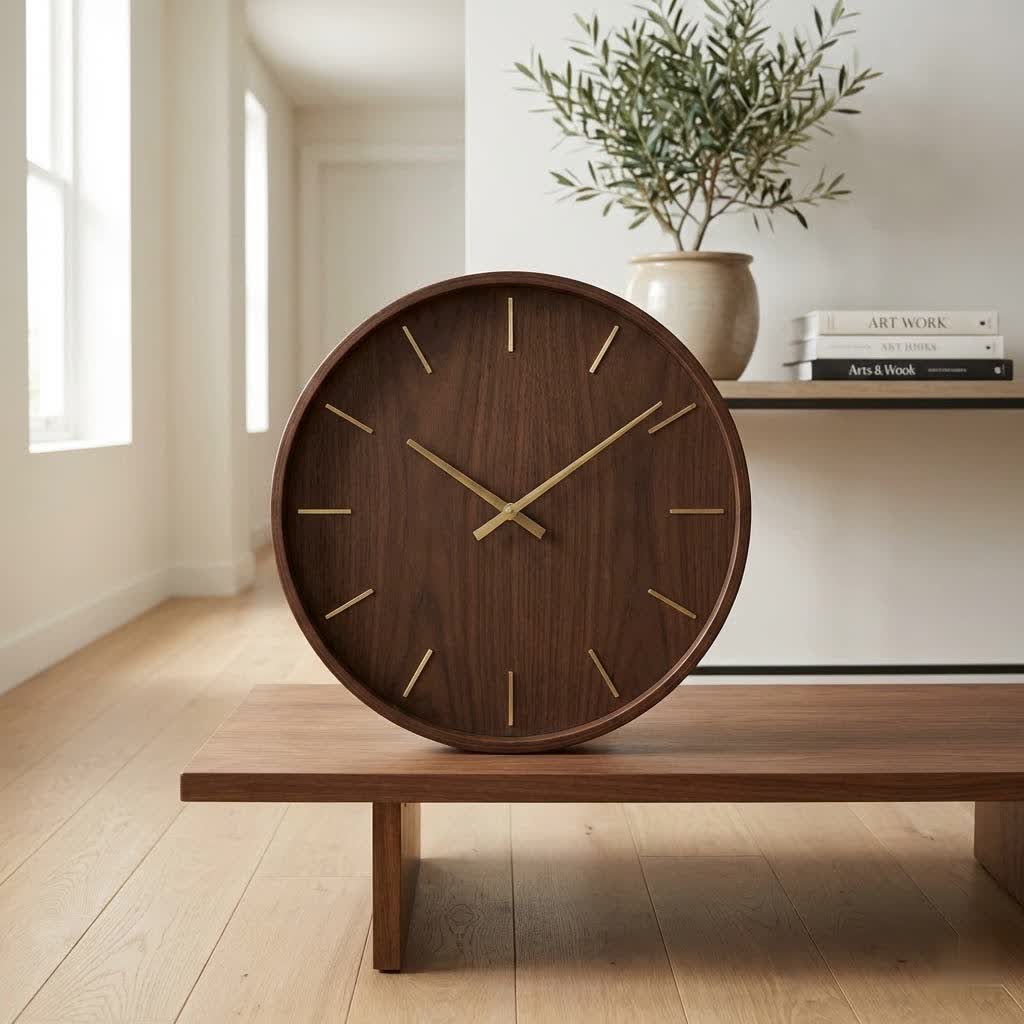
A musical wall clock is far more than a simple timepiece; it’s a captivating blend of art, engineering, and sensory delight designed to transform any living space. These unique clocks combine precise timekeeping with enchanting melodies and often intricate motion, creating a dynamic focal point that engages both sight and sound. Choosing the perfect musical wall clock involves understanding their distinctive features and how they can harmonize with your home’s aesthetic and your personal preferences.
Why a Musical Wall Clock is a Cherished Addition
In an era where digital devices dominate, musical wall clocks offer a refreshing return to craftsmanship and charm. They infuse a sense of nostalgia, bringing the comforting cadence of chimes or the joy of familiar tunes into your home. Beyond their time-telling function, they elevate ambiance, spark conversations, and can even provide gentle auditory cues throughout the day, making them particularly appealing in busy households or serene senior living environments. Whether you seek a touch of classic elegance or a whimsical spectacle, a musical wall clock adds rhythm and personality to your walls, turning ordinary moments into memorable experiences. For explore our home decor reviews on this site.
Essential Features to Consider When Choosing
When selecting a musical wall clock, several key features contribute to its overall appeal, performance, and longevity.
Melody Variety and Sound Quality
The heart of any musical clock lies in its sound. Look for models that offer a diverse selection of melodies, ranging from classical pieces and traditional chimes (like Westminster) to folk tunes, seasonal favorites, or even popular songs. Many clocks provide between 6 and 45 distinct melodies, often with an opening and closing tune. Crucially, the sound quality should be clear and rich, avoiding any tinny or distorted output. Adjustable volume control is a must-have, allowing you to tailor the sound level to your environment. A light sensor for automatic night silencing is highly desirable, ensuring the melodies don’t disturb quiet hours, and an on/off switch provides complete control over the musical features.
Dynamic Motion and Animation
Beyond sound, many musical wall clocks boast intricate motion and animation that adds a visual spectacle. These “magic motion” or “melodies in motion” clocks often feature dials that split, open, or rotate to reveal hidden decorative elements, twirling numbers, or dancing figurines. Rotating pendulums, frequently adorned with sparkling crystals, also contribute to the visual appeal. LED lights can further enhance the display, flashing in sync with the music to create a truly enchanting performance. These animated elements make the clock a true conversation piece, delighting guests and residents alike.
Craftsmanship and Design Materials
|
Our Picks for the Best Wall Clock in 2026
As an Amazon Associate I earn from qualifying purchases.
|
||
| Num | Product | Action |
|---|---|---|
| 1 | AKCISOT Wall Clock Silent Non Ticking Modern Wall Clocks Battery Operated 10 Inch, Analog Small Classic Clock Decorative for Bedroom, Kitchen, Home Office, Bathroom, School, Living Room (White) |

|
| 2 | AKCISOT Atomic 10 Inch Wall Clock Analog Clocks for Indoor Kitchen, Battery Operated Clock for Bedroom Office Classroom Living Room(Black) |
|
| 3 | AKCISOT Atomic 10 Inch Wall Clock Analog Clocks for Indoor Kitchen, Battery Operated Clock for Bedroom Office Classroom Living Room(Silver) |
|
| 4 | AKCISOT Wall Clock 10 Inch Silent Wall Clocks Battery Operated Non Ticking - Modern Silver Clock Decorative for Kitchen, Bathroom, Bedroom, Living Room, Office, Home(Silver) |
|
| 5 | AKCISOT Wall Clock, Modern Small Wall Clocks Battery Operated 8 Inch, Silent Non-Ticking Analog Classic for Office, Home, Bathroom, Kitchen, Bedroom, School(Black) |
|
| 6 | AKCISOT Wall Clock,Boho Kitchen 10 Inch Wall Clocks Battery Operated Non Ticking,Silent Modern Clock Decorative for Bedroom,Office,Bathroom,Living Room,Home (Wood Grain) |
|
| 7 | Mosewa Wall Clock 8 Inch, Battery Operated Silent Non-Ticking Modern Analog Clock Decorative for Kitchen, Bedroom, Office(Gold) |
|
| 8 | AKCISOT Wall Clock, Modern Small Wall Clocks Battery Operated 8 Inch, Silent Non-Ticking Analog Classic for Office, Home, Bathroom, Kitchen, Bedroom, School(Silver) |
|
| 9 | AKCISOT Wall Clock, Modern Small Wall Clocks Battery Operated 8 Inch, Silent Non-Ticking Analog Classic for Office, Home, Bathroom, Kitchen, Bedroom, School(White) |
|
| 10 | AKCISOT Wall Clock 10 Inch Silent Non-Ticking Modern Clocks Battery Operated - Analog Small Classic for Office, Home, Bathroom, Kitchen, Bedroom, School, Living Room(Black) |
|
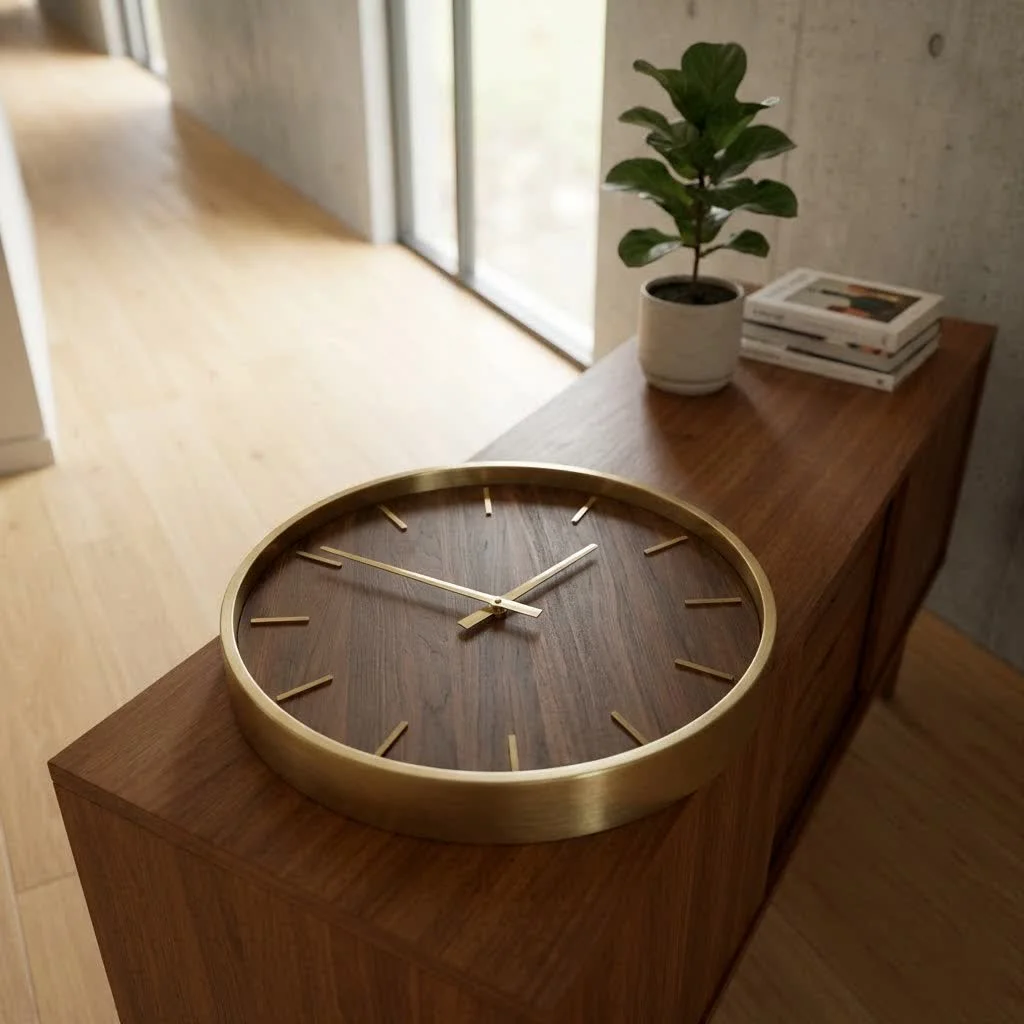
The construction of your musical wall clock plays a significant role in its durability and aesthetic integration into your decor. High-quality clocks are often crafted from solid wood, polished metal, or feature elegant glass inlays. These materials not only ensure longevity but also contribute to superior acoustics. While plastic housings offer lighter and more affordable options, they typically lack the premium feel and sound resonance of their wooden or metal counterparts. Consider the finish and style to ensure the clock complements your existing interior design, whether you prefer a classic, modern, or whimsical look.
Movement Type and Reliability
Most contemporary musical wall clocks utilize quartz movements, prized for their exceptional accuracy and low maintenance. Unlike older mechanical movements that require frequent winding and more upkeep, quartz clocks are battery-powered and provide reliable timekeeping with minimal intervention. This ensures that your clock is not only beautiful but also consistently accurate.
Size and Optimal Placement
Before purchasing, consider where your musical wall clock will reside. Larger dials (12+ inches) are ideal for spacious living rooms or entryways where they can serve as a dominant focal point. Smaller clocks might be better suited for cozier bedrooms or as accents in a curated gallery wall. Ensure the numerals and hands are easily readable from a typical viewing distance. Strategically placing your clock at eye level (around 57-60 inches from the floor) in high-visibility areas like living rooms, dining rooms, or hallways maximizes both its visual and auditory impact.
Maintaining Your Musical Masterpiece
To ensure your musical wall clock continues to perform beautifully for years to come, a few simple maintenance steps are recommended. Regularly dust the clock with a soft microfiber cloth to keep its finish pristine. Given that most are battery-operated, replace the batteries at least once a year, or more frequently if your clock features extensive motion and musical sequences. Avoid placing the clock in areas with high humidity, which can affect wood finishes and internal components. Should you encounter any issues, consulting the manufacturer’s manual for troubleshooting tips or reaching out to authorized service centers can provide solutions.
The Perfect Harmony for Your Home
A musical wall clock offers a unique opportunity to infuse your living space with enduring charm, captivating entertainment, and precise timekeeping. By carefully considering melody options, motion features, craftsmanship, and placement, you can select a timepiece that not only tells the hour but also enriches your home with its enchanting symphony and delightful visual display.
Get our weekly buyer guide
Practical specs, not advice. Unsubscribe anytime.

I’ve been looking for a unique clock for my living room and this post really helped me decide on a musical wall clock. The idea of having enchanting melodies throughout the day is just so appealing. I ended up getting one that plays classical tunes and it’s truly transformed the ambiance of the whole space. It’s definitely a conversation starter when guests come over!
My new musical wall clock is everything I hoped for and more! The post mentioned how they can ‘elevate ambiance’ and it’s so true. I love the gentle tunes that play every hour; it’s a lovely, subtle reminder of time passing without being intrusive. It really brings a comforting cadence to my home and makes the space feel so much warmer.
I bought a musical wall clock after reading about how they can add a sense of nostalgia. While the craftsmanship is beautiful and it looks great on my wall, I found the chimes a bit too loud for my small apartment, even on the lowest setting. I wish there was a way to adjust the volume more precisely. It’s still a lovely piece, but I sometimes turn off the music feature.
I was hesitant about getting a musical clock, thinking it might be too old-fashioned, but the description of them as a ‘captivating blend of art and engineering’ really resonated with me. I chose one with intricate motion and it’s mesmerizing to watch. It’s definitely more than just a timepiece; it’s a dynamic focal point that adds so much character to my dining area.