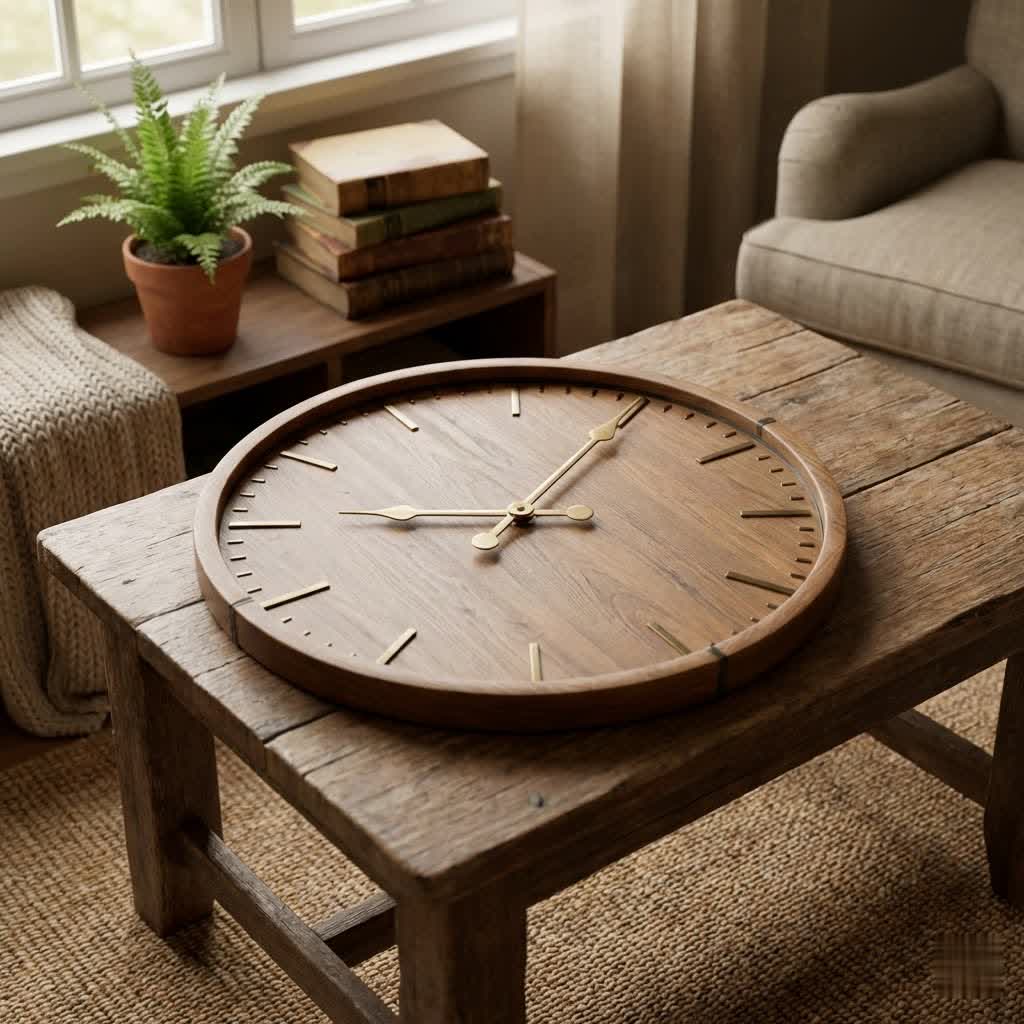
A wooden wall clock is more than just a device for telling time; it’s a statement piece that infuses warmth, character, and natural beauty into any living space. From rustic farmhouses to sleek modern apartments, a thoughtfully chosen wooden clock can enhance your home’s aesthetic, serving as both a functional necessity and a captivating piece of art.
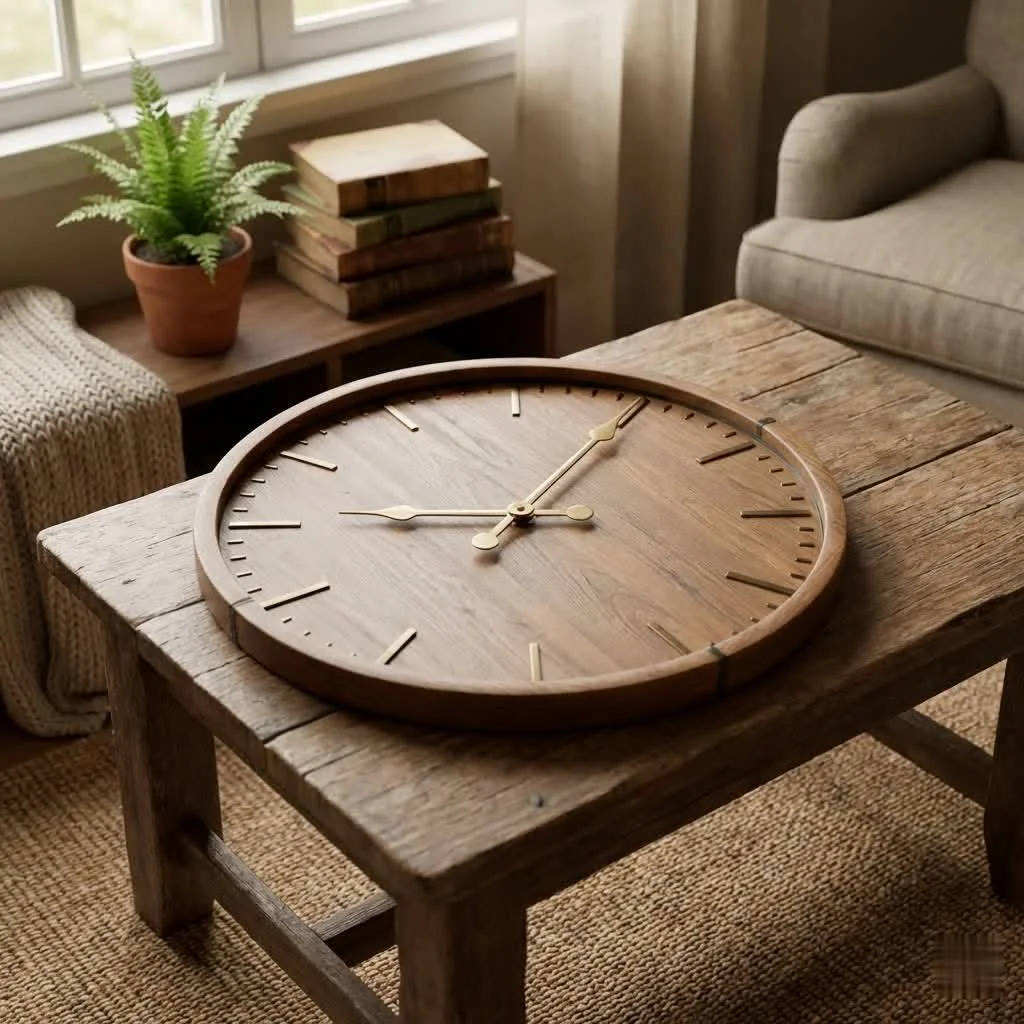
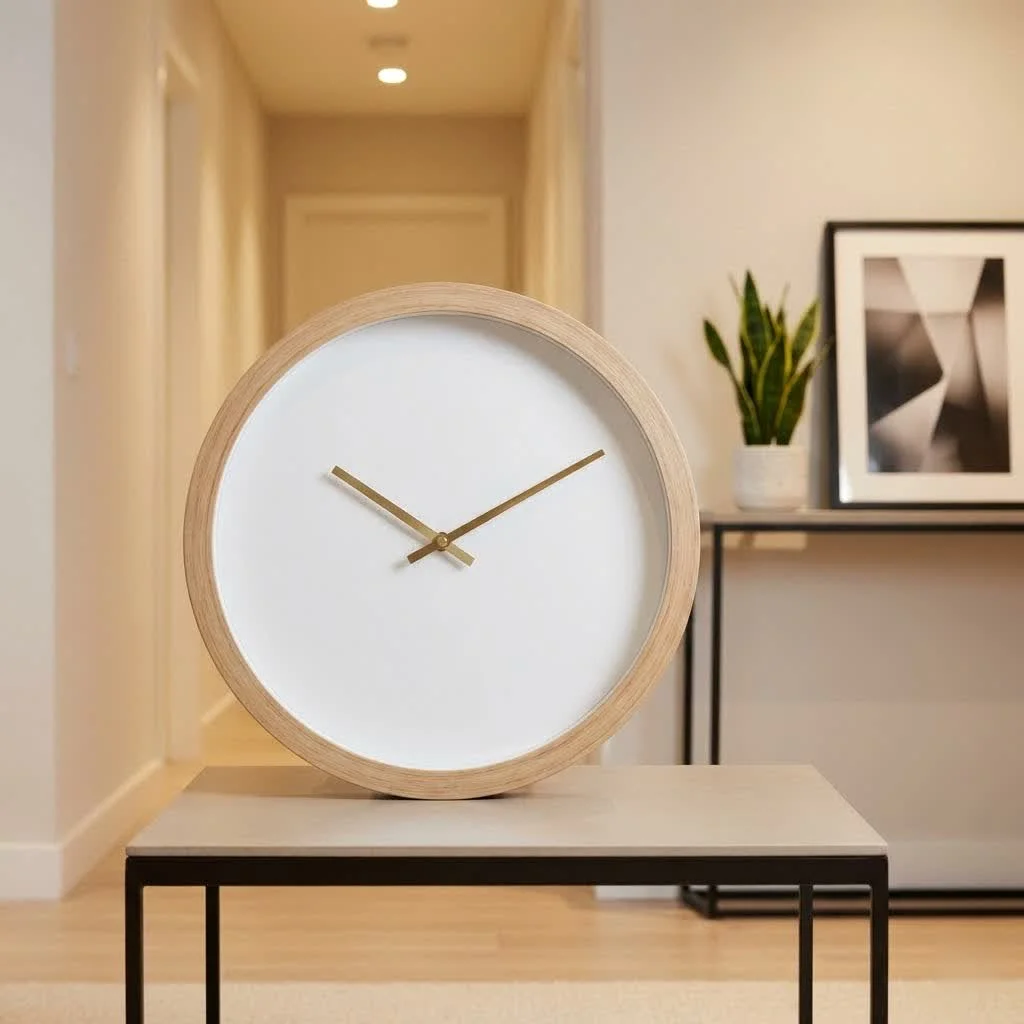
Why Choose a Wooden Wall Clock?
The enduring popularity of wooden wall clocks stems from their unique blend of qualities: For home decor buying guides on this site.
- Aesthetic Versatility: Wood offers an unparalleled range of styles, from the raw, organic feel of reclaimed timber to the polished elegance of fine hardwood. This allows wooden clocks to seamlessly integrate into diverse decor themes, including rustic, farmhouse, modern, minimalist, bohemian, and industrial.
- Durability and Longevity: High-quality wood, when properly cared for, can last for generations. Many wooden clocks are considered heirlooms, capable of being passed down, carrying stories and warmth through time.
- Natural Warmth and Texture: Wood inherently brings a sense of comfort and connection to nature. Its natural grains and varied finishes add visual interest and a tactile quality that other materials often lack.
Key Factors When Selecting Your Wooden Wall Clock
Choosing the ideal wooden wall clock involves considering several elements to ensure it complements your space perfectly.
1. Consider the Room’s Style and Functionality
The purpose and existing decor of a room should guide your selection:
- Living Room: As a central gathering space, the living room often benefits from a larger, statement-making wooden clock. Darker woods like walnut or oak can lend an air of elegance, while lighter options such as pine or maple suit more casual or Scandinavian-inspired designs.
- Kitchen: Functionality is key here. Opt for an easy-to-read clock that can withstand humidity. A simple, clean design can match cabinetry, or a distressed wood clock with bold numbers can perfectly fit a rustic or farmhouse kitchen.
- Bedroom: To promote calm and relaxation, choose a wooden wall clock with soft, natural tones and, crucially, a silent movement to avoid disruptive ticking. Minimalist designs work well in modern bedrooms, while vintage styles complement traditional or bohemian aesthetics.
- Home Office: Balance professionalism with style. A sleek, modern clock with minimal embellishments can maintain focus, while an asymmetrical or quirky wooden clock might inspire creativity in a more artistic workspace.
2. Match the Wood Type to Your Decor
The specific type of wood contributes significantly to the clock’s overall appeal and how it harmonizes with your decor:
- Oak: Known for its durability and distinctive grain, oak clocks are excellent for traditional, rustic, or farmhouse interiors, adding warmth and rich texture.
- Maple: Lighter with a smooth grain, maple is ideal for contemporary or minimalist spaces, brightening a room while maintaining a natural feel.
- Walnut: With its rich, dark finish, walnut exudes sophistication and luxury, making it perfect for formal living rooms or executive offices.
- Pine: A softwood with a light, fresh appearance, pine suits casual, country, cottage, or even coastal-themed interiors due to its brighter tones.
- Reclaimed Wood: For an eco-friendly choice, reclaimed wood clocks offer unique character and history, fitting beautifully into rustic, industrial, or eclectic designs.
3. Size Matters: Proportion and Placement
A clock’s size directly impacts its visual weight and presence in a room:
- Large Clocks (24 inches or more): Best suited for spacious areas like living rooms or dining rooms, especially when positioned above a fireplace, sofa, or dining table. They serve as a bold focal point and should be proportionate to the room and surrounding furniture.
- Medium Clocks (12-24 inches): Highly versatile, these clocks fit well in most rooms, including kitchens, offices, or entryways. They offer balance without dominating the decor in more modest spaces.
- Small Clocks (Under 12 inches): Ideal for tighter spaces or as part of a multi-piece wall arrangement. They can add a subtle touch of design to a bedroom, bathroom, or hallway.
4. Design Features: Numbers, Hands, and Shape
The intricate details of a wooden clock add personality and help tie it into your overall decor theme:
- Numbers: Roman numerals convey a vintage or classic feel, while Arabic numbers are often more modern and easier to read. For a minimalist aesthetic, a clock without numbers creates a sleek, contemporary look.
- Clock Hands: Thin, delicate hands can suggest elegance, whereas thick, bold hands create a more industrial or modern vibe. Ensure the hands contrast sufficiently with the clock face for easy readability while complementing the room’s color palette.
- Shape: While round clocks are traditional, don’t shy away from experimenting. Rectangular or square wooden clocks can introduce an unexpected geometric element, and asymmetrical or abstract designs can be striking in modern or eclectic spaces.
5. Quality and Craftsmanship
Beyond aesthetics, consider the clock’s fundamental quality. Look for durable wood, a flawless finish, and reliable movement. Quartz movements are common for accuracy and often offer a silent, non-ticking operation, which is particularly desirable for bedrooms or quiet studies.
Conclusion
|
Our Picks for the Best Wall Clock in 2026
As an Amazon Associate I earn from qualifying purchases.
|
||
| Num | Product | Action |
|---|---|---|
| 1 | AKCISOT Wall Clock Silent Non Ticking Modern Wall Clocks Battery Operated 10 Inch, Analog Small Classic Clock Decorative for Bedroom, Kitchen, Home Office, Bathroom, School, Living Room (White) |

|
| 2 | Mosewa Wall Clock 8 Inch, Battery Operated Silent Non-Ticking Modern Analog Clock Decorative for Kitchen, Bedroom, Office(Gold) |
|
| 3 | AKCISOT Atomic 10 Inch Wall Clock Analog Clocks for Indoor Kitchen, Battery Operated Clock for Bedroom Office Classroom Living Room(Silver) |
|
| 4 | AKCISOT Wall Clock,Boho Kitchen 10 Inch Wall Clocks Battery Operated Non Ticking,Silent Modern Clock Decorative for Bedroom,Office,Bathroom,Living Room,Home (Wood Grain) |
|
| 5 | AKCISOT Wall Clock, Modern Small Wall Clocks Battery Operated 8 Inch, Silent Non-Ticking Analog Classic for Office, Home, Bathroom, Kitchen, Bedroom, School(Silver) |
|
| 6 | AKCISOT Wall Clock, Modern Small Wall Clocks Battery Operated 8 Inch, Silent Non-Ticking Analog Classic for Office, Home, Bathroom, Kitchen, Bedroom, School(Black) |
|
| 7 | AKCISOT Wall Clock, Modern Small Wall Clocks Battery Operated 8 Inch, Silent Non-Ticking Analog Classic for Office, Home, Bathroom, Kitchen, Bedroom, School(White) |
|
| 8 | AKCISOT Wall Clock 10 Inch Silent Wall Clocks Battery Operated Non Ticking - Modern Silver Clock Decorative for Kitchen, Bathroom, Bedroom, Living Room, Office, Home(Silver) |
|
| 9 | AKCISOT Atomic 10 Inch Wall Clock Analog Clocks for Indoor Kitchen, Battery Operated Clock for Bedroom Office Classroom Living Room(Black) |
|
| 10 | AKCISOT Wall Clock 10 Inch Silent Non-Ticking Modern Clocks Battery Operated - Analog Small Classic for Office, Home, Bathroom, Kitchen, Bedroom, School, Living Room(Black) |
|
A wooden wall clock offers a timeless blend of practicality and decorative charm. By carefully considering your room’s style, the type of wood, appropriate size, and nuanced design features, you can select a piece that not only keeps perfect time but also enriches your home with its inherent warmth and beauty. Find the wooden clock that resonates with your personal style and completes your space.
Get our weekly buyer guide
Practical specs, not advice. Unsubscribe anytime.
